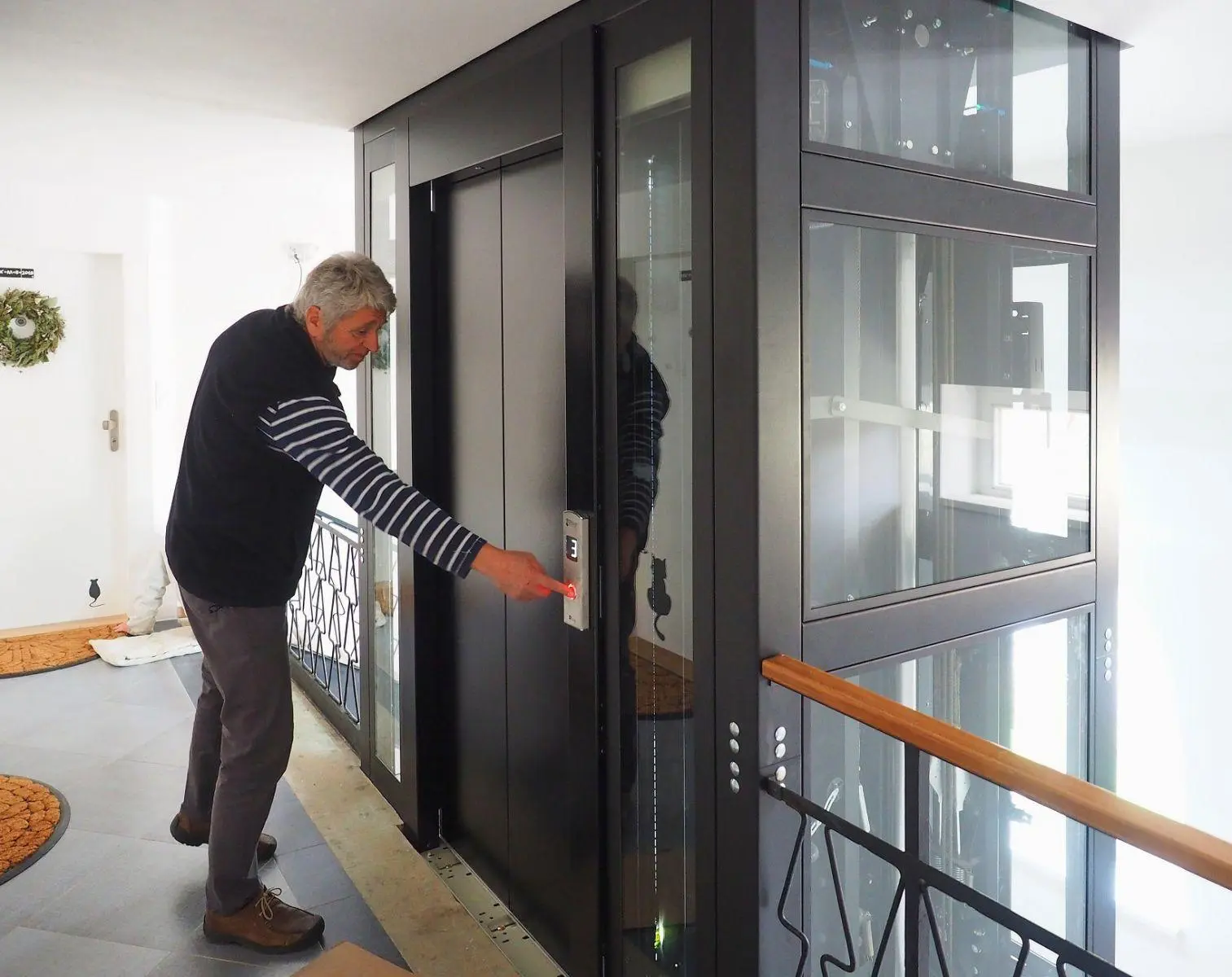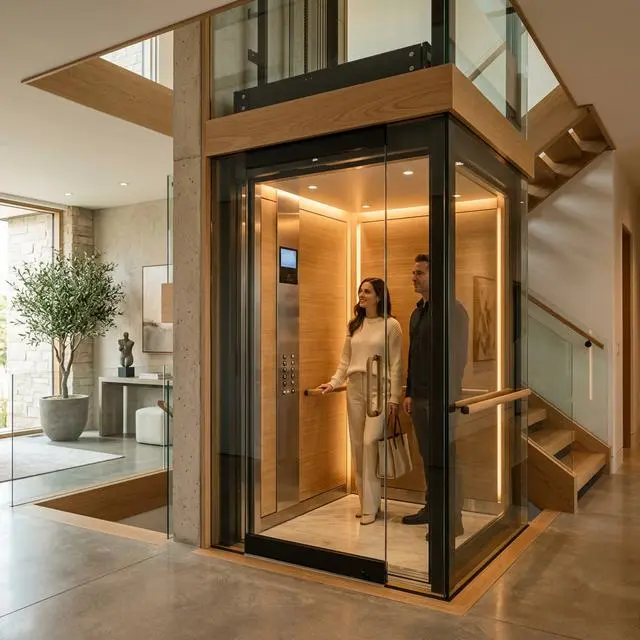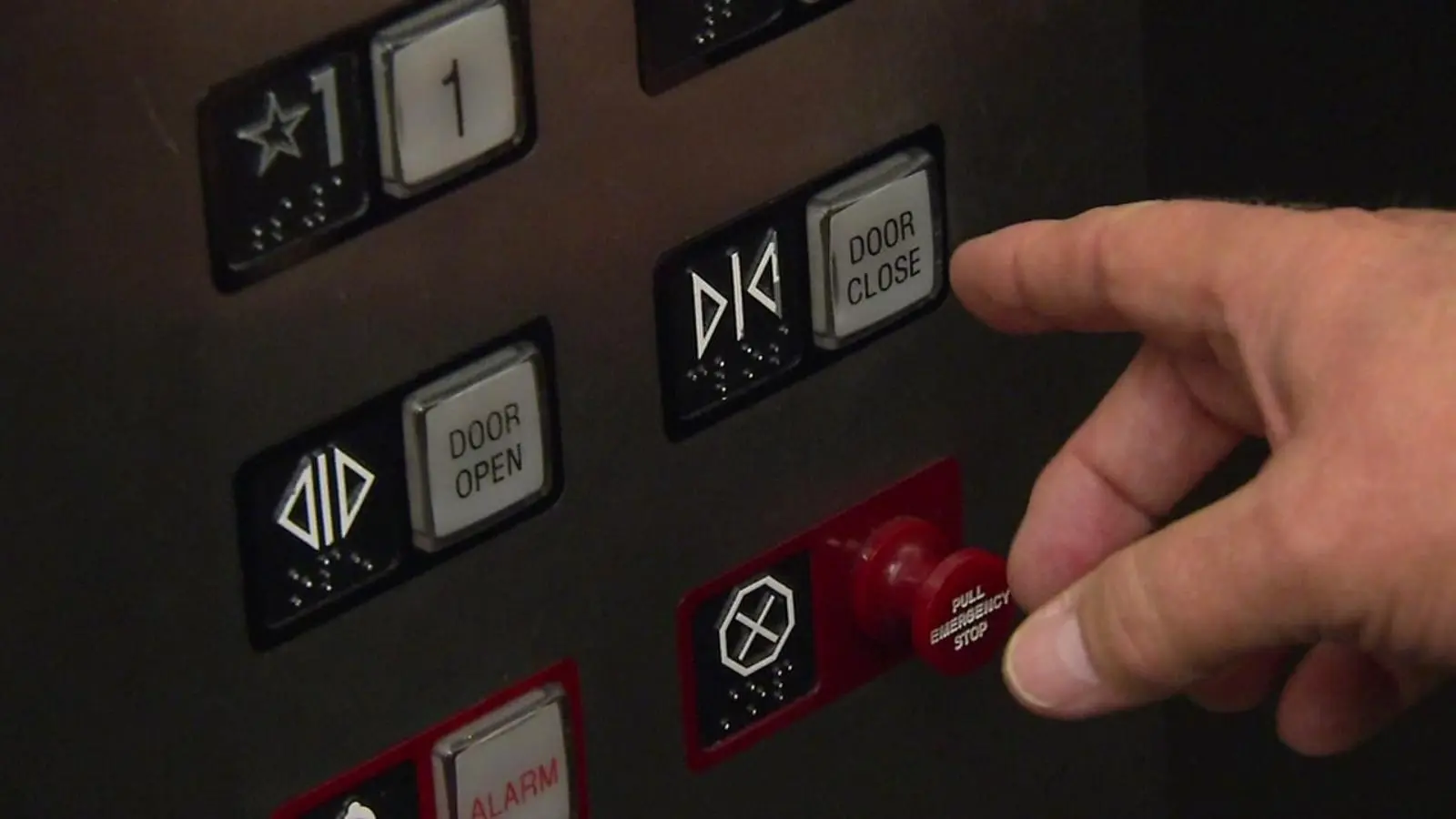




As the construction industry continues to develop in 2026, elevators will play a vital role in the construction of any tall building, regardless of whether it is residential or commercial. The exact cost of passenger lift installation should be known by both the developers and the contractors, as costs vary due to different factors.
In most projects, passenger lift installation cost is not fixed. Instead, it is determined by a combination of equipment configuration, safety systems, interior design, and engineering complexity.
1. Passenger Lift Installation Cost Structure and Key Factors
The total investment for an elevator system includes multiple engineering and manufacturing components rather than a single product price.
1.1 Main Cost Breakdown
A standard passenger lift installation generally consists of:
- Elevator equipment system (40%–60%)
- Shaft construction or modification
- Electrical system integration
- Installation labor and commissioning
- Cabin interior decoration and customization
For typical residential buildings, installation costs range from $28,000 to $65,000, while advanced commercial systems may exceed $120,000 depending on configuration.
1.2 Key Factors Affecting Cost
Several important factors influence pricing:
- Number of floors and travel height
- Load capacity (630kg–1600kg standard range)
- MR or MRL system type
- Rated speed (1.0–4.0 m/s)
- Interior material and design complexity
For example, in compact urban projects, MRL systems are often preferred because they reduce structural space requirements by approximately 15%–25%, making them highly suitable for modern residential and mid-rise buildings.
2. 2026 Market Overview of Passenger Lift Installation Costs
In 2026, elevator pricing continues to evolve due to smart technology integration, energy efficiency improvements, and premium interior customization.
2.1 Cost Range by Building Type
| Building Type | Capacity | Cost Range |
| Bangunan tempat tinggal | 630–1000kg | $28,000–$55,000 |
| Office buildings | 1000–1600kg | $45,000–$85,000 |
| Hotels & malls | High-speed systems | $70,000–$130,000 |
| High-rise customized projects | Fully tailored | $120,000+ |
On average, commercial passenger lift installation is 30%–50% higher than residential systems due to stricter safety standards and performance requirements.
3. Technical Workflow of Passenger Lift Installation
A complete elevator project follows a strict engineering process to ensure safety and reliability.
3.1 Installation Process Steps
- Site inspection and measurement
- Shaft structure preparation
- System design and customization
- Factory manufacturing
- Mechanical installation
- Electrical system integration
- Testing and final certification
A standard passenger lift installation typically requires 20–50 days, while complex high-rise systems may take up to 90 days.
4. Interior Design Innovation and Cabin Engineering
Modern elevators are not only transportation systems but also part of architectural aesthetics.
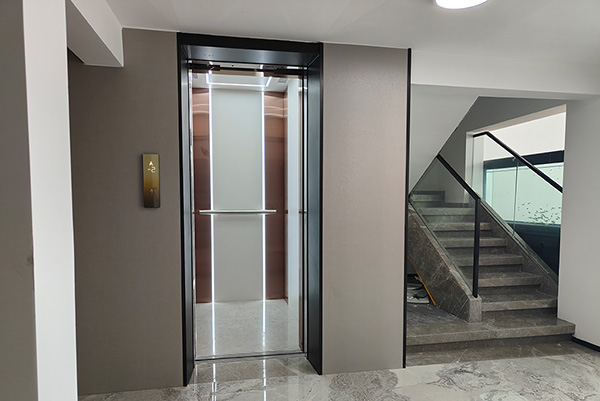
In many high-end commercial projects, cabin design plays an important role in overall building value. For example, in some hotel and office applications, a design like the TS-J09 Passenger Elevator concept is used to enhance both functionality and visual appeal.
Such cabin configurations may include:
- Mirror-finish stainless steel ceiling with acrylic lighting for uniform brightness
- Dual-side ventilation systems to maintain continuous airflow
- Rose gold hairline stainless steel walls and frames for a premium architectural style
These design aspects are typically used in settings where comfort, resilience, and aesthetics matter equally and may have an impact on the total cost of passenger elevator installation based on the materials chosen and degree of customization.
5. Engineering Performance and Smart Features
Beyond appearance, technical performance plays a major role in cost evaluation.
5.1 Energy Efficiency Performance
Modern systems typically consume:
- 3–7 kWh per 1,000 operations
- Energy-saving technologies reduce consumption by 20%–30%
5.2 Smart Safety Systems
Advanced passenger lift installation projects now include:
- Overload detection systems
- Emergency braking technology
- Intelligent dispatch control
- Remote monitoring and diagnostics
6. Cost Optimization Strategies
Developers can reduce overall costs through strategic planning:
- Define shaft size early in architectural design
- Select appropriate load capacity
- Use MRL systems for space efficiency
- Standardize cabin design when possible
- Plan multi-unit projects for cost optimization
With proper planning, total passenger lift installation costs can be reduced by 10%–25%.
Kesimpulan
The price range for installing passenger lifts in 2026 is between $28,000 and over $120,000, based on factors such as building heights, configurations, and additional customizations. Although residential lifts are still economical, advanced commercial lifts need more complicated engineering and resources.
A well-planned passenger lift installation significantly improves building efficiency, safety, and long-term operational value.
From system design to manufacturing and project execution, DAPAT Elevator Co., Ltd. continues to provide reliable vertical transportation solutions for global clients. For project consultation or cooperation inquiries, feel free to hubungi kami for professional support.