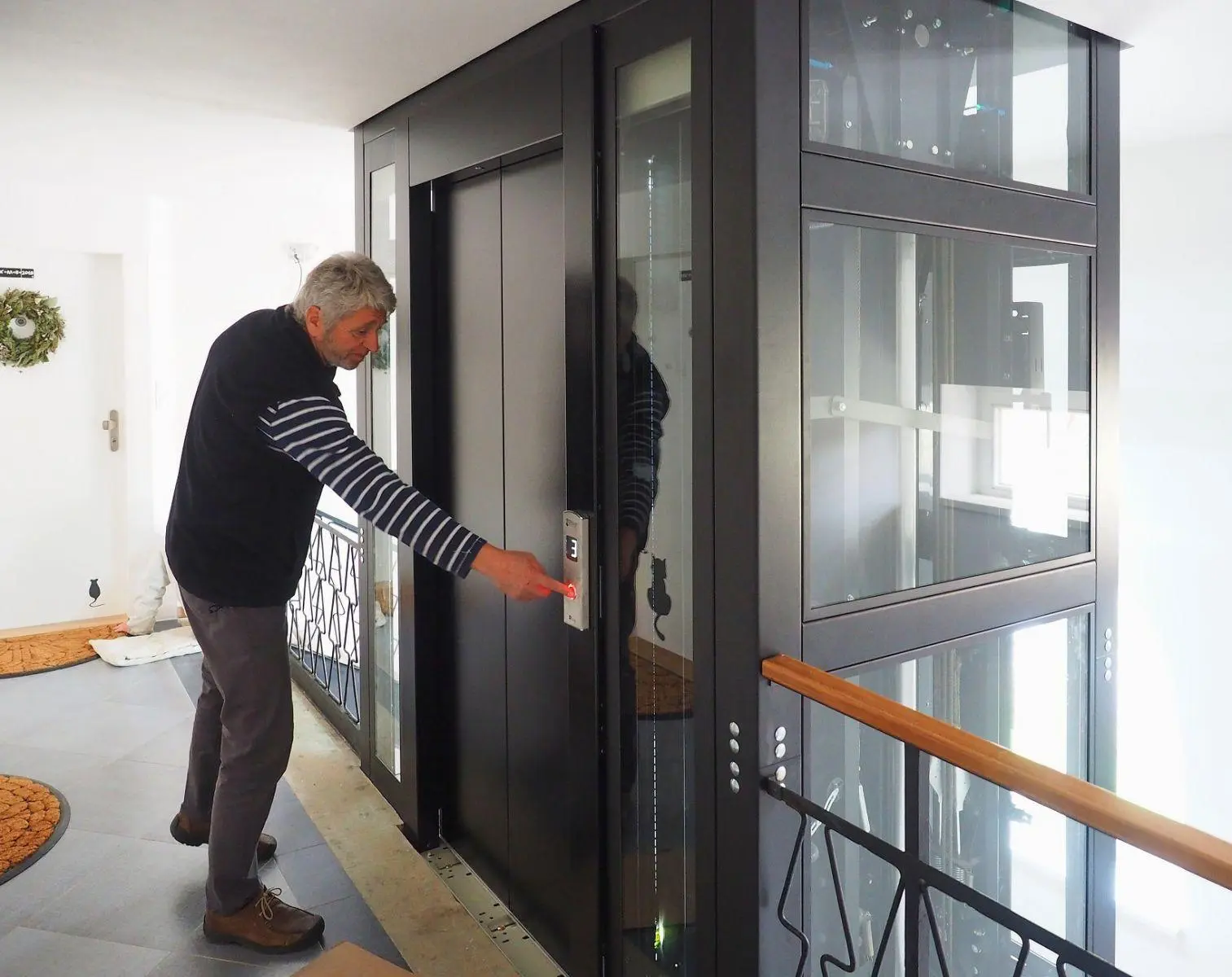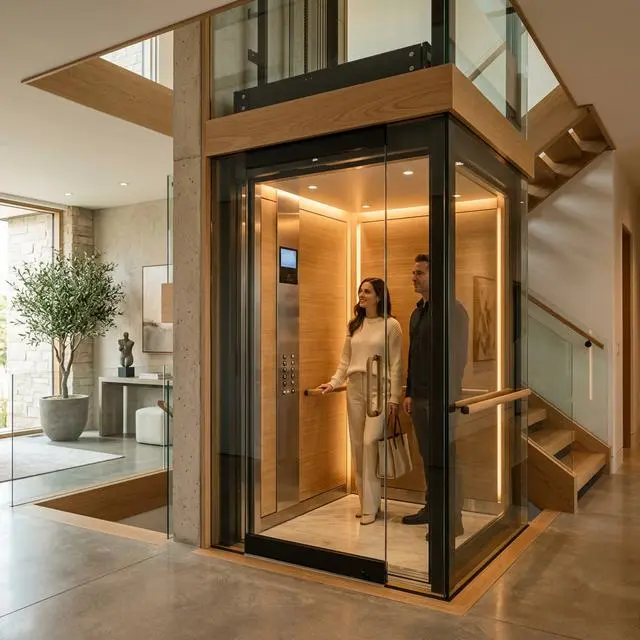





A residential elevator doesn’t just make life easier. It can increase a property’s value, give it the latest edge, and help future-proof it for aging owners or resale. Builders know that when a home is accessible and well-designed, it’s easier to sell. If you’re an elevator agent or developer, you’ve probably noticed the trend too.
That’s why knowing the main types of residential elevators means you can guide your clients to something that actually fits their homes instead of guessing.
Working with a company like Lift GOTS also takes the stress out of the process. You’re not guessing about safety codes or installation headaches — we’ve done it all before.
The Main Types of Residential Elevators

- Lift hidrolik
These are still the workhorses of home lifts. They use a piston and fluid system to move up and down. They offer a smooth ride, quiet operation, and are relatively easy to fit into an existing structure. Great for up to three or four floors. - Traction elevators
Think of these as the modern counterpart — cables, counterweights, efficient, and good for taller homes. Gearless models are also energy-friendly and don’t need a giant machine room like some others. - Machine room-less (MRL) elevators
Working with tight spaces? These types of residential elevators put the machinery right inside the hoistway instead of a separate room. Perfect for narrow footprints or tricky layouts. - Vacuum or pneumatic elevators
If you’ve ever seen those clear, tube-like lifts in design magazines — that’s them. They run on air pressure, install with minimal construction, and bring a cool look. They are often framed in glass for extra light.
Things to Think About Before Choosing A Residential Elevator
- Space & load capacity: How much room do you really have? And how much weight does it need to handle — groceries, wheelchairs, furniture?
- Energy & maintenance: Efficient drives mean lower bills, so it’s important to ask about service schedules and support.
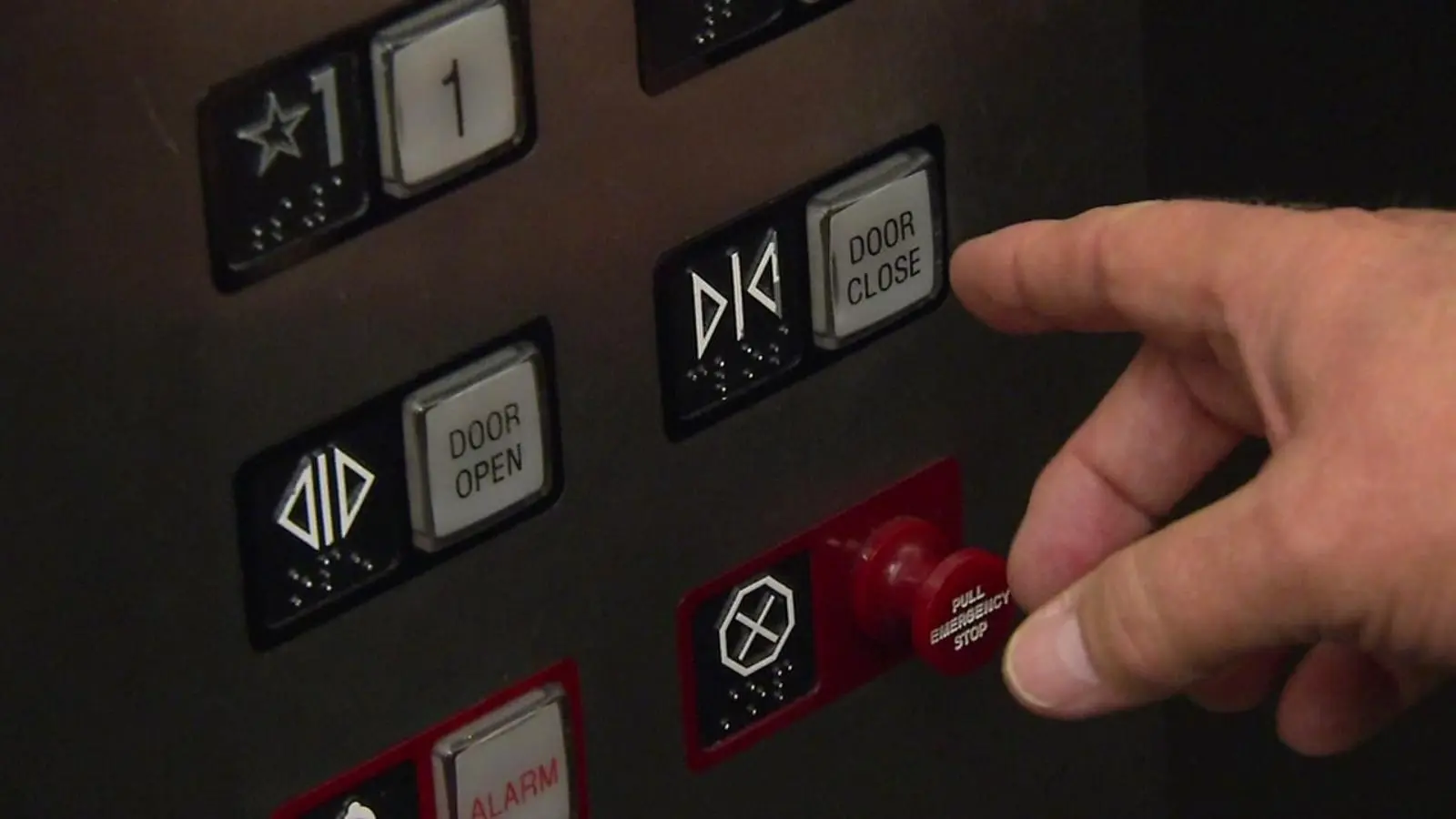
- Safety & compliance: Emergency stops, smooth starts/stops, interlocks. Make sure they all tick local code boxes.
- Design & customization: These include finishes, lighting, and controls. When done right, an elevator can blend in like built-in furniture.
- Budget & long-term value: A slightly higher upfront cost is often reliable and requires lower maintenance.
Why Work With GOTS Elevator
We’ve built and installed different types of residential elevators for years. Agents, builders, developers — we’ve seen it all. Our process covers design, manufacturing, installation, and ongoing support, so you’re not juggling five different contractors.

Quick FAQs
- How do you help pick the right model?
We look at your space, budget, and plans. Then we make recommendations and customize the details so the elevator suits the home. - Do you have options for small homes?
Yes. Compact hydraulics and machine-room-less designs are our specialties for tight spaces. - Can you match a home’s style?
Of course. We offer a variety of finishes, cabin materials, and controls. - What about support after installation?
We do regular maintenance, safety checks, and repairs. Our team’s available long after the project wraps. - Why should builders and developers work with you?
Because we make the process easier, safer, and more predictable. Our elevators add value and appeal without adding headaches.