



As the growth of cities is proceeding upwards, high rise buildings have become an important component of modern city development. Whether it be office buildings, hotels, or even residential skyscrapers or multi-purpose buildings, the need for better vertical transport systems arises. Conventional elevators are often not sufficient to cope with all these demands. This calls for a special design of a high rise building elevator.
In comparison with regular elevators, high rise buildings elevators have to provide better speed, safety, and intelligent traffic management. Various projects require various solutions that include high-speed passenger elevators, double-deck elevators, and destination control systems. Knowledge of the characteristics of these elevators will help to choose a proper elevator system.
Challenges of Elevator Operation in Tall Buildings
As building heights increase, elevator systems face more complex operating requirements.
Longer Travel Distance
The most difficult task that a high rise building elevator faces is transporting people through many floors in an efficient way. An elevator in a building with tens or even hundreds of floors has to function in a consistent manner through such great heights.
For example:
- Low-rise buildings usually use elevators with speeds of around 1–2 m/s.
- High rise buildings commonly require speeds between 3–6 m/s.
- Super high-rise buildings may use elevators exceeding 8–10 m/s.
Higher travel speeds help reduce waiting times while improving overall building efficiency.
Higher Passenger Capacity Requirements
The high rise structures usually have congestion at peak periods of time; this is more evident in office structures, hotels, and commercial centers. Inefficient elevator operations may pose an inconvenience for the users.
Modern elevator systems improve transportation capacity through:
- Intelligent dispatch technology;
- Elevator grouping systems;
- Faster drive systems;
- Optimized floor service planning.
Stricter Safety Standards
Safety becomes increasingly important as elevator height and speed increase. A reliable high rise building elevator requires multiple protection systems to ensure safe operation.
Common safety features include:
- Overspeed governors;
- Emergency braking systems;
- Door safety sensors;
- Fire emergency operation modes;
- Real-time fault monitoring.
Which Elevators are Popularly Utilized in Tall Buildings?
Fast Passenger Elevators
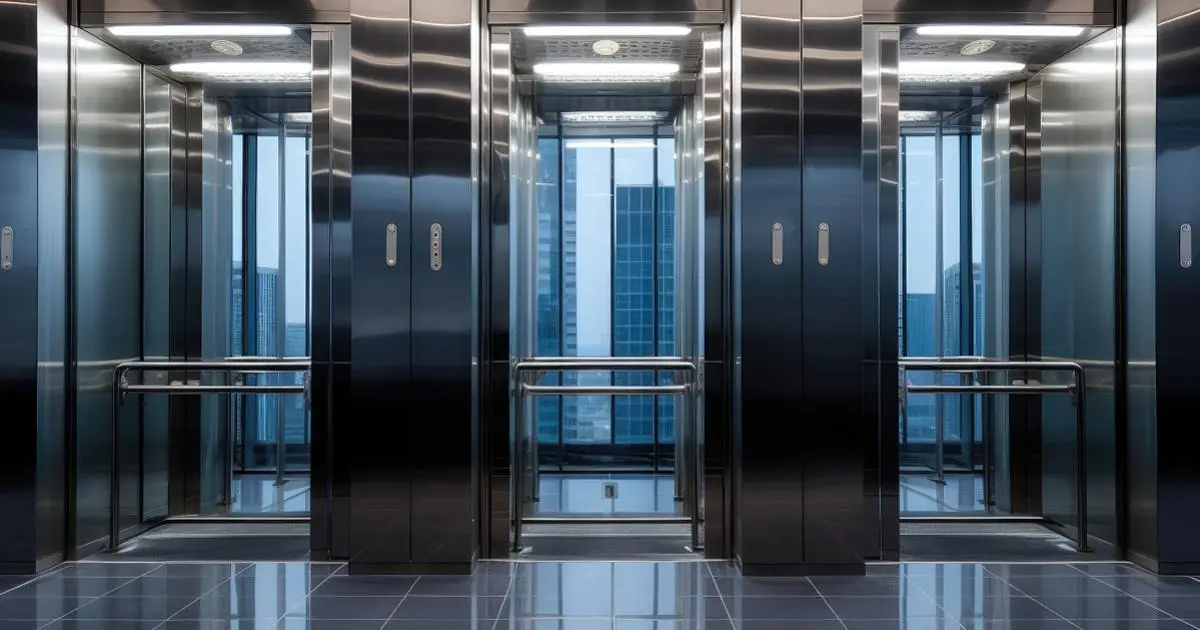
The commonly used types of elevators include fast passenger elevators. This is because high-speed passenger elevators are specifically engineered to move people efficiently between floors while minimizing travel time.
These elevators are commonly installed in:
- Skyscrapers;
- Office towers;
- Luxury residential buildings;
- High-end hotels.
A modern high rise building elevator usually incorporates the latest traction system and control technologies that provide better acceleration, level accuracy, and increased comfort.
Typical speed ranges include:
| Building Type | Typical Elevator Speed |
| Medium-rise buildings | 1.5–3 m/s |
| High rise buildings | 3–6 m/s |
| Super high-rise buildings | 6–10 m/s or higher |
Besides speed, high-speed elevators also focus on vibration control, noise reduction, and smooth stopping performance.
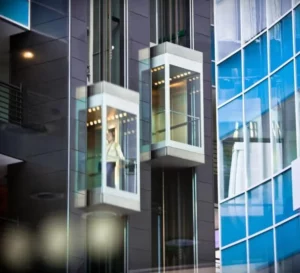 Double Deck Elevators
Double deck elevators consist of two interlinked elevator cars and allow people from two consecutive floors to enter and leave simultaneously.
This design provides several advantages:
- Increased passenger handling capacity;
- Reduced number of elevator shafts required;
- Better use of building space;
- Improved efficiency during peak periods.
Double deck elevators are especially suitable for:
- Large office buildings;
- Commercial complexes;
- Super high-rise towers.
In high-density buildings, this type of high rise building elevator can significantly improve transportation efficiency while reducing the space occupied by the elevator core.
Destination Control System Elevators
Destination control system elevators represent one of the major improvements in modern elevator technology.
Unlike traditional elevators, passengers select their destination floor before entering the elevator. The system then assigns the most suitable elevator based on passenger destinations.
Key benefits include:
- Fewer unnecessary stops;
- Shorter waiting times;
- Better traffic management;
- Improved passenger flow.
For example, in a 50-story office tower, the system can group passengers traveling to similar floors together, reducing congestion during busy periods.
Machine Room Less (MRL) Elevators
Machine room less elevators are designed to save space by placing the driving equipment inside the elevator shaft instead of requiring a separate machine room.
Their main advantages include:
- Reduced building space requirements;
- More flexible architectural design;
- Lower construction complexity;
- Better space utilization.
MRL elevators are commonly used in modern residential buildings, commercial projects, and buildings where space optimization is important.
Service and Freight Elevators
High rise buildings require elevators not only for passengers but also for transporting goods, equipment, and maintenance materials.
Service and freight elevators are commonly used in:
- Hotels;
- Shopping centers;
- Hospitals;
- Large commercial buildings.
Compared with passenger elevators, they usually feature:
- Higher load capacity;
- Stronger cabin structures;
- Greater durability.
Typical load capacities include:
| Elevator Type | Load Capacity |
| Service elevator | 1,000–2,000 kg |
| Heavy-duty freight elevator | 3,000–5,000 kg or more |
These elevators help separate passenger transportation from logistics operations, improving building management efficiency.
Key Technologies Behind Modern High Rise Building Elevators
Advanced Traction Systems
Modern elevators rely on advanced traction technology to achieve efficient and stable operation.
Many high-performance systems use permanent magnet synchronous motors (PMSM), which provide:
- Higher energy efficiency;
- Lower operating noise;
- More precise speed control;
- Longer service life.
Some advanced systems also include regenerative technology, which can recover energy generated during elevator operation and reuse it within the building.
Intelligent Elevator Control Systems
Smart technology has become an important part of modern elevator design.
Current intelligent systems may include:
- AI-based scheduling;
- Remote monitoring;
- Predictive maintenance;
- IoT connectivity.
These technologies allow operators to monitor elevator performance in real time and identify potential problems before failures occur.
As a result, a smart high rise building elevator can provide more reliable operation while reducing maintenance costs.
Safety Technologies for High Rise Elevators
Safety is always a top priority in elevator engineering. Modern elevator systems must comply with international safety requirements, such as EN 81 and ASME A17.1 standards.
Important safety technologies include:
- Overspeed protection devices;
- Emergency brakes;
- Buffer systems;
- Automatic door protection;
- Emergency rescue functions.
These features ensure reliable performance even under demanding operating conditions.
How to Choose the Right Elevator for a High Rise Building?
Consider Building Height and Traffic Requirements
The ideal elevator system depends on the building structure and expected passenger flow.
| Building Type | Recommended Elevator System |
| High rise residential buildings | High-speed passenger elevators |
| Office towers | High-speed elevators with destination control |
| Super high-rise buildings | Double deck elevators with intelligent systems |
| Hotels | Passenger elevators and service elevators |
Before selecting a high rise building elevator, developers should evaluate factors such as:
- Building height;
- Number of users;
- Peak traffic periods;
- Required transportation efficiency.
Evaluate Energy Efficiency and Maintenance Needs
Elevator selection should not only focus on installation costs. Long-term operation and maintenance are equally important.
A reliable elevator system should provide:
- Low energy consumption;
- Easy maintenance access;
- Stable component supply;
- Long service life.
Choosing an efficient elevator design can help reduce operating expenses throughout the building’s lifecycle.
Schlussfolgerung
Different types of elevators are designed to meet the unique requirements of high rise buildings. High-speed passenger elevators, double deck elevators, destination control systems, and service elevators all play important roles in improving transportation efficiency, safety, and user experience.
Being a company that specializes in the manufacture of elevators, GOTS offers quality and reliable elevators for different building projects. In case you have any queries regarding elevator selection, design, and installation for high-rise buildings, do not hesitate to contact us for assistance.
FAQ
1. Which kind of elevator is mostly preferred in high rise buildings?
Elevators that work at high speed and efficiently transport passengers are commonly used in high rise buildings. Some other elevators which can be used in tall buildings include the double deck elevator and the destination control elevator.
2. How fast is a high rise building elevator?
The speed of a high rise building elevator is determined by the height of the building and the requirement. The speed of most high rise elevators is about 3-6 m/s, and that of the elevator in super high-rise buildings is greater than 10 m/s.
3. How does the standard elevator differ from the high rise building elevator?
The high rise building elevator is built to accommodate higher distances, greater speed, greater passenger traffic, and greater safety needs. Standard elevators are usually appropriate for smaller buildings with fewer floors.
4. How many elevators should be installed in a high rise building?
The number of elevators needed in a high rise building is determined by certain factors, including the height of the building, population, and how each floor is used among others. Office blocks will need more elevators than residential buildings.
5. How often should high rise building elevators be maintained?
Most of the elevators in high-rise buildings need to be inspected and maintained regularly. The maintenance is done depending on the use and manufacturer’s recommendation. It is very important for safety and longevity of the equipment.
6. Are high rise building elevators energy efficient?
Yes. The elevators used in high rise buildings have technologies such as regeneration, efficient motors, and intelligent controls that are aimed at minimizing energy consumption.