



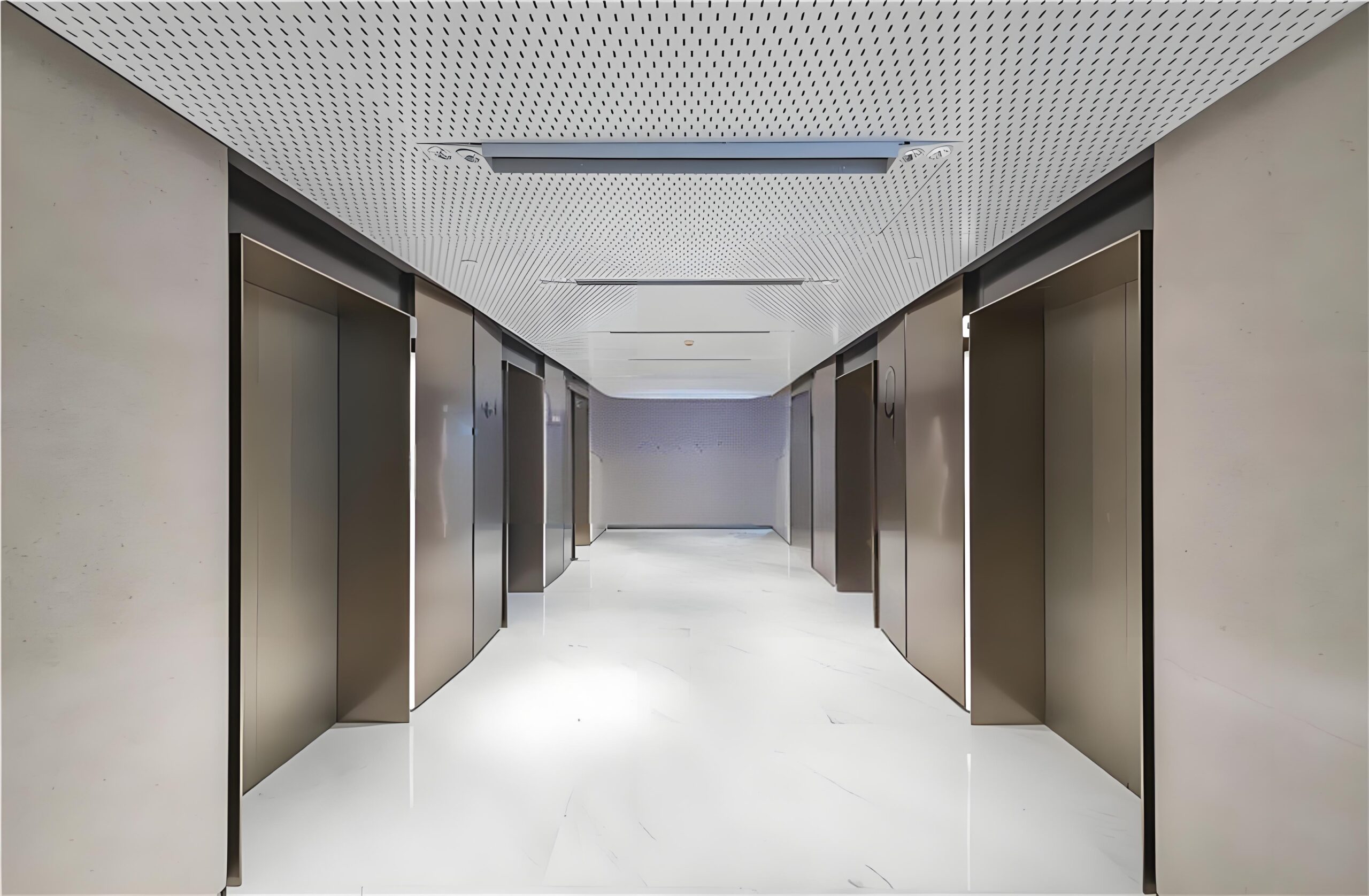
Elevator Control System: The Core of Intelligent Vertical Transport
The elevator control system is the core technology that ensures precise, reliable, and energy-efficient operation of modern vertical transportation. With the rapid rise of skyscrapers exceeding 100 meters in height, control systems now face greater challenges. They must manage traffic flow efficiently, guarantee passenger safety, and reduce overall energy consumption.
This article explores the key components of elevator control systems, highlights advanced technologies, and introduces essential control system parts that support superior performance across various building types
Core Components of an Elevator Control System
A modern elevator control system integrates both hardware and software to coordinate motion, passenger interaction, and safety mechanisms. Below are its main components:
Controller Unit
The controller acts as the elevator’s “brain.” It executes thousands of commands per second, managing speed, door operation, and floor leveling within ±3 mm.
High-performance controllers use microprocessors capable of processing up to 10,000 instructions per second. As a result, they ensure smooth acceleration and deceleration, enhancing passenger comfort.
This precision is essential in high-rise towers and residential skyscrapers, where timing and ride quality significantly impact user satisfaction.
Drive Systems
Most modern elevators use Variable Voltage Variable Frequency (VVVF) drives. These systems control motor speed and torque, reducing energy consumption by 30–50% compared with fixed-speed or hydraulic systems.
VVVF drives also reduce noise and mechanical wear, extending motor life. Therefore, they are ideal for commercial complexes and mixed-use developments where efficiency and comfort are critical.
Safety Features
Safety remains the top priority. Modern systems include overspeed governors, redundant brakes, and load sensors accurate to within 0.5%.
These components constantly monitor elevator conditions, preventing overloading, uncontrolled movement, or door malfunctions. They also comply with global standards such as EN 81 and ASME A17.1, ensuring reliability in hospitals, hotels, and public buildings.
User Interfaces
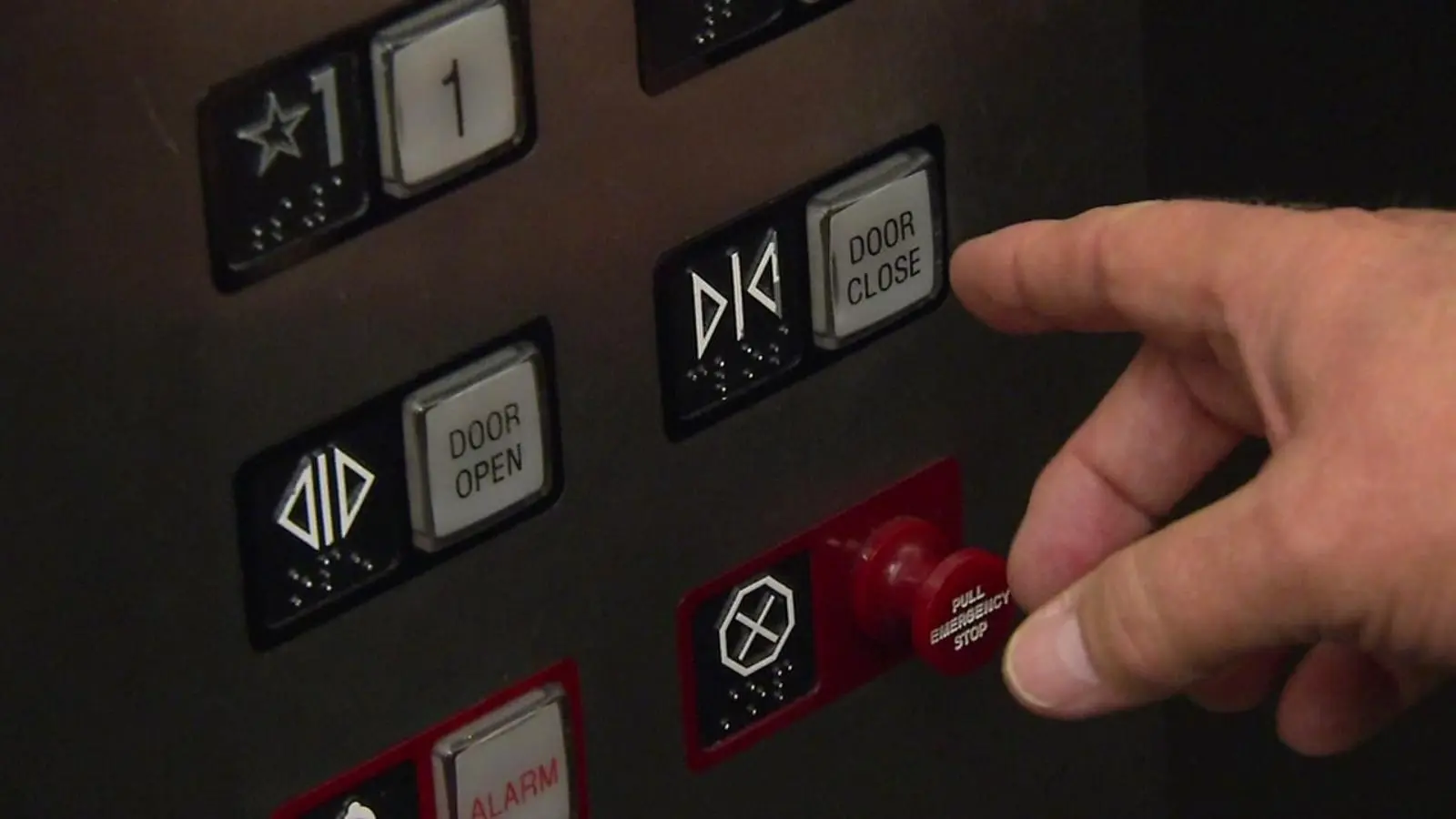
Passengers interact with the system through car operating panels and hall call buttons.
Today’s interfaces include touchscreens, voice recognition, and Braille keypads, improving both accessibility and ease of use. Consequently, these features are especially beneficial in public transport hubs and accessible housing projects.
Elevator Control System Parts and Their Functions
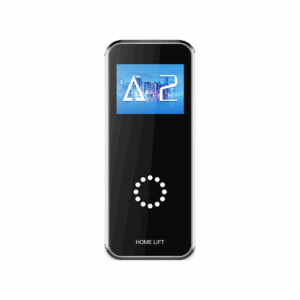 An efficient control system depends on multiple interconnected parts. Below are several representative products from GOTS ELEVATOR that demonstrate advanced engineering and durability:
Control Box – GOTSCM005
Designed for high-rise and complex environments, this control box offers fast data processing and advanced fault detection. It supports group control operations during peak hours and enables predictive maintenance, reducing downtime.
This makes it ideal for large office towers and residential buildings with heavy traffic.
Outbound Call – TS-W31
The TS-W31 hall call button features a durable structure and intuitive interface. With bright LED indicators and a responsive touch surface, it ensures accurate signal transmission and reliability, even in busy shopping malls and public facilities.
The A19 push button is built for longevity, with a lifespan of over 1 million press cycles. Its ergonomic design and clear LED illumination make it perfect for elevators in hospitals, hotels, and commercial spaces where durability is crucial.
Together, these components ensure that every GOTS elevator system delivers safe, smooth, and energy-efficient performance in all environments.
Advanced Types of Elevator Control Systems
Elevator technology continues to evolve rapidly. Modern control systems are now available in several advanced types, each suited for specific operational needs:
Microprocessor-Based Control Systems
These systems use high-speed processors to control acceleration, deceleration, and car dispatching with precision. They are ideal for mid- to high-rise buildings that require advanced control and reliability.
Group Control Systems
Group control coordinates multiple elevators, assigning cars based on real-time passenger demand. As a result, it minimizes wait and travel times, especially during rush hours in large buildings.
Destination Control Systems (DCS)
With DCS, passengers enter their destination floors before boarding. The system groups passengers traveling to nearby floors, significantly improving efficiency. This is ideal for busy commercial buildings and skyscrapers.
Machine Room-Less (MRL) Control Systems
MRL systems eliminate the need for a separate machine room. The motor and control units are built into the hoistway, saving valuable building space. These are common in residential and mid-rise buildings.
Regenerative Drive Systems
These drives recover energy produced during descent and feed it back into the building’s power grid. In doing so, they improve energy efficiency and support green building certifications.
AI-Powered Control Systems
Using artificial intelligence and big data, these systems analyze real-time passenger traffic to dynamically adjust elevator scheduling. They are highly effective in complex commercial or mixed-use environments, improving both speed and efficiency.