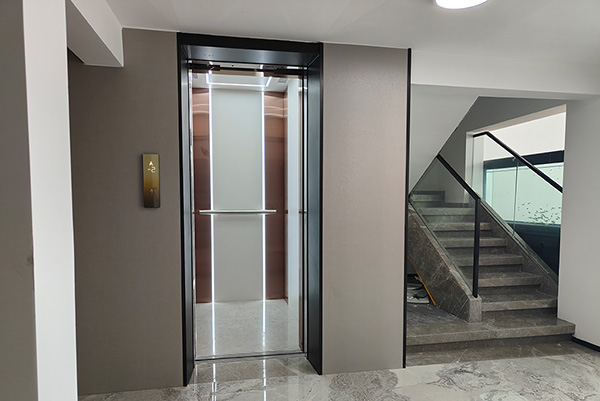
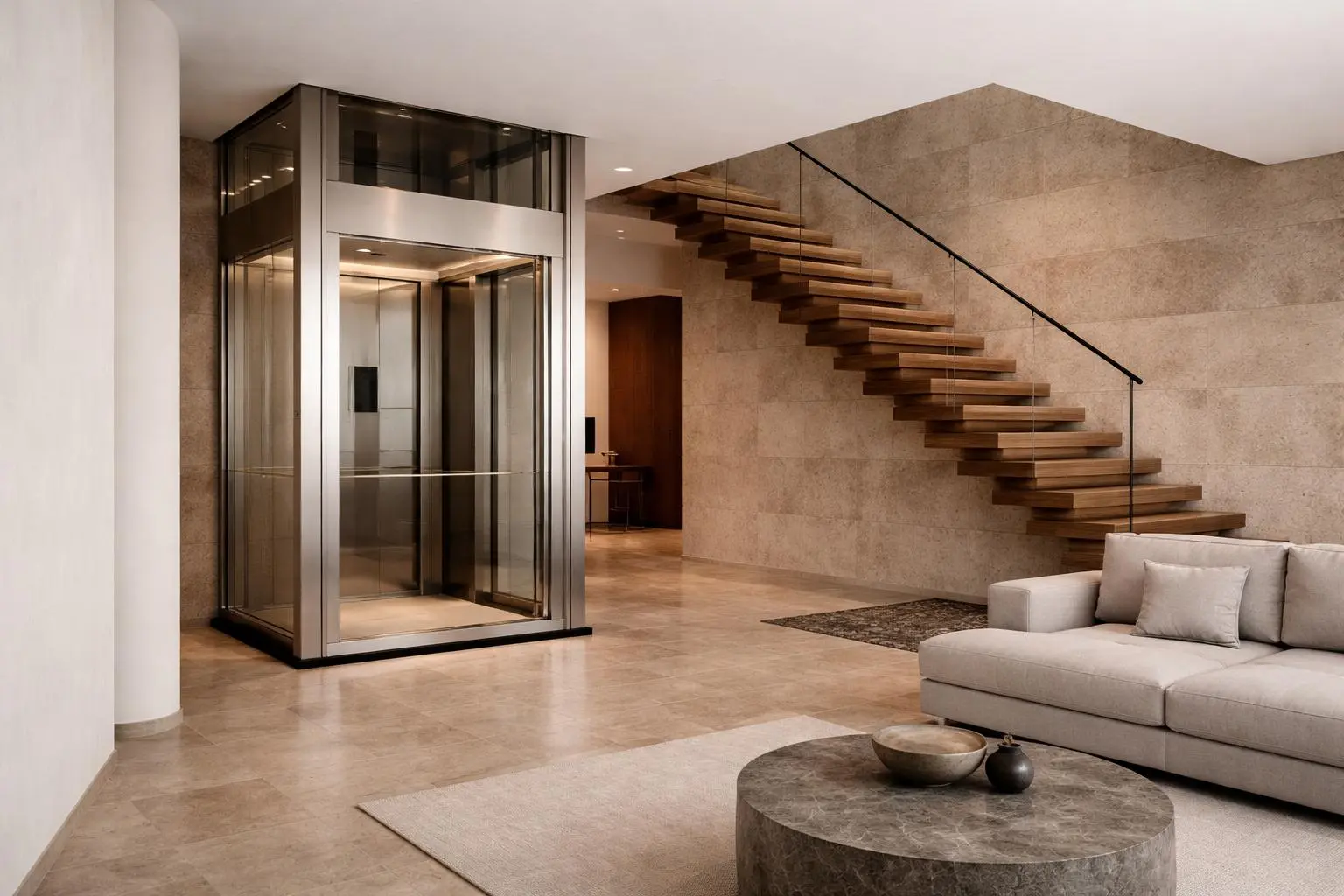
Because of rapid residential construction and the design of buildings that cater to elderly needs, the indoor house lift has gained immense popularity among homeowners today. Compact elevators not only make things convenient for homeowners, but they also add to the value of their homes.
Durable nature is something that is very important to consider when choosing such equipment. Therefore, it is necessary to have a clear idea about the actual service life of indoor house lifts.
Service Life Structure of Indoor House Lifts
The lifespan of an elevator in a home does not depend upon one particular factor but rather on a combination of mechanical strength, installation surroundings, utilization, and maintenance.
Core Lifespan Components
A typical system can be divided into several key parts:
- Traction system lifespan: 15–25 years
- Control system lifespan: 10–15 years
- Cabin structure lifespan: 20–30 years
- Door system lifespan: 8–12 years
- Safety components: regular inspection every 1–2 years
In general, well-maintained indoor house lifts can operate safely for around 20–25 years, while premium systems may last even longer.
Key Factors That Affect Indoor House Lifts Lifespan
Several technical and environmental conditions directly influence how long a home elevator can last.
Usage Frequency and Load Management
Daily usage has a major impact on mechanical wear:
- Low usage (1–5 trips/day): up to 25–30 years
- Medium usage (5–15 trips/day): around 20–25 years
- High usage (15+ trips/day): may reduce to 15–20 years
Overloading is one of the most common causes of premature system aging, especially in rental villas or multi-family homes.
Proper load control and realistic usage expectations are essential for extending lifespan.
Installation Quality and Structural Stability
Installation quality significantly affects long-term durability:
- Accurate shaft alignment reduces mechanical stress
- Stable foundation minimizes vibration damage
- Correct leveling improves door system reliability
Poor installation can shorten lifespan by 5–8 years. In compact residential projects, precision installation becomes even more critical due to space constraints.
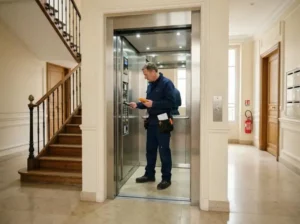 Maintenance and Operational Care
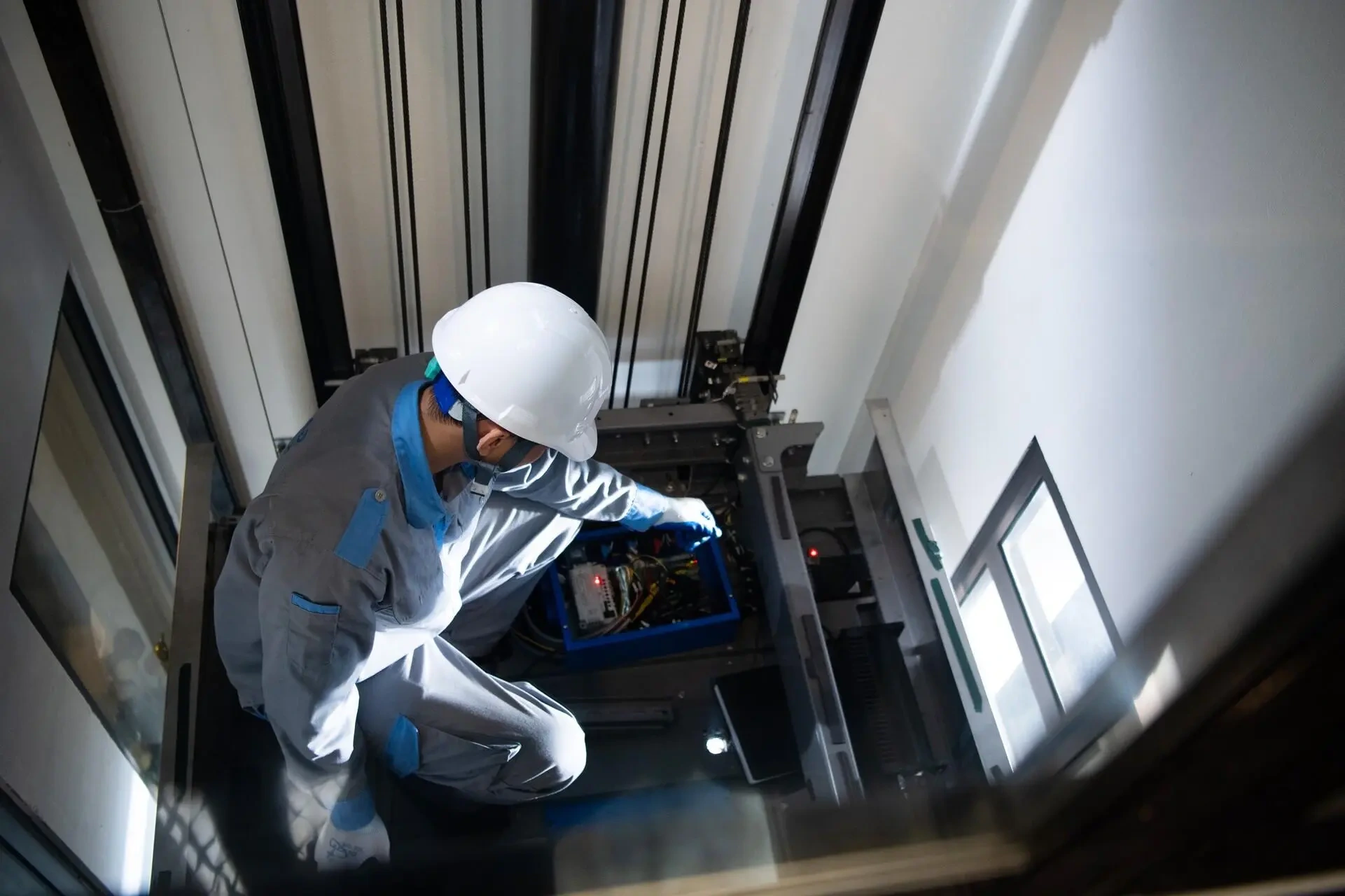
Maintenance is one of the strongest predictors of elevator lifespan. A structured service routine helps prevent early system failure:
- Monthly basic safety checks
- Quarterly lubrication and system calibration
- Annual full diagnostics and inspection
- Early replacement of worn components
In addition, homeowners should avoid exceeding rated load capacity, keep the shaft clean, and ensure emergency systems are tested regularly.
Well-maintained indoor house lifts typically last 30% longer than poorly maintained systems and may gain an additional 5–10 years of service life.
Lifespan Comparison of Different Indoor House Lift Types
Different technologies offer different durability levels.
| Type | Average Lifespan | Characteristics |
| Hydraulic lifts | 15–20 years | Smooth operation, higher maintenance |
| Traction lifts | 20–25 years | Most widely used system |
| Screw-driven lifts | 25–30 years | Compact, low maintenance |
| Vacuum lifts | 15–20 years | Modern design, limited capacity |
Among these, screw-driven systems generally provide the longest service life due to fewer mechanical components and simpler structure.
Technologies That Extend Indoor House Lifts Lifespan
Modern engineering has significantly improved durability and system stability.
Smart Control Systems
Smart systems reduce mechanical stress and improve operational efficiency:
- Soft start/stop reduces wear by up to 40%
- Automatic load balancing improves stability
- Remote diagnostics enable early fault detection
These technologies ensure smoother acceleration and deceleration, minimizing long-term mechanical fatigue.
Energy-Efficient Drive Systems
Advanced drive systems also contribute to longer lifespan:
- Gearless traction reduces friction
- Lower heat generation improves component stability
- Energy consumption reduced by 20%–35%
Reduced thermal stress and mechanical friction directly extend service life and lower maintenance frequency.
Signs That Indoor House Lifts Need Upgrade or Replacement
Even with proper maintenance, every elevator eventually reaches a replacement stage. Key warning signs include:
- Frequent breakdowns or service interruptions
- Increased vibration or unusual noise
- Slow door response or leveling inaccuracy
- Outdated control system technology
- Rising maintenance costs over time
A practical rule: when repair costs exceed 30%–40% of replacement cost, upgrading becomes the more economical choice.
These issues usually appear after 15–25 years of operation, depending on system quality and usage intensity.
Wnioski
Generally speaking, indoor house lifts in most residences usually last 20 to 25 years based on their quality of installation, frequency of use, and maintenance. Some may even work efficiently beyond 30 years due to their technological advancements, including smart control systems and efficient drive mechanisms.
Maintenance, usage control, and good installation are the top three critical aspects that influence their performance in the long term.
For homeowners and developers seeking effective products, the company GOTS Elevator Co., Ltd offers a range of professional indoor house lift systems tailored for residential purposes around the globe.