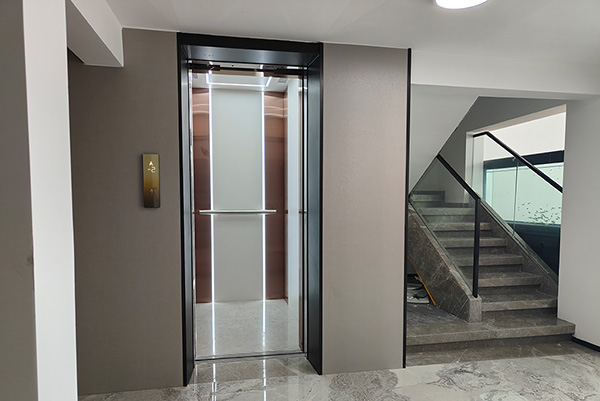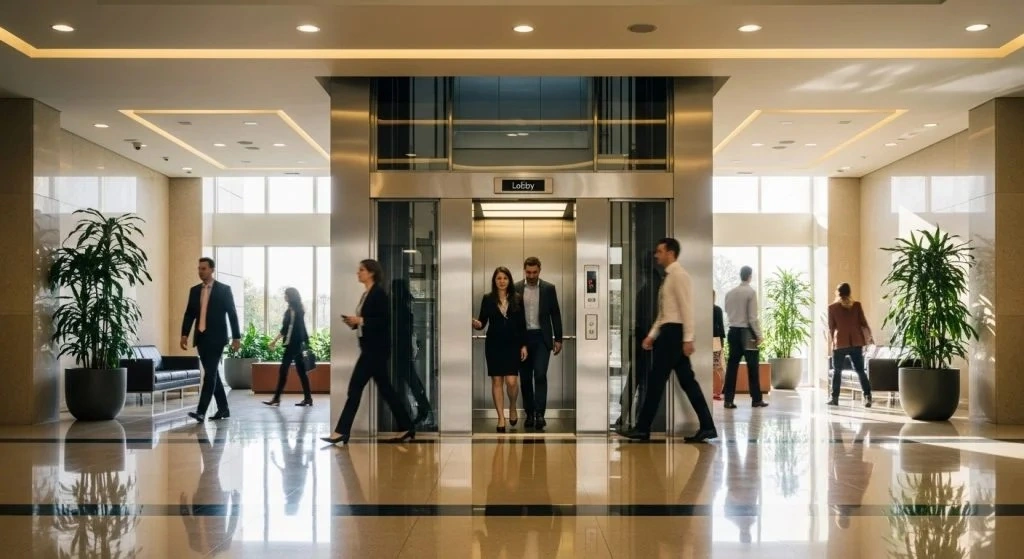
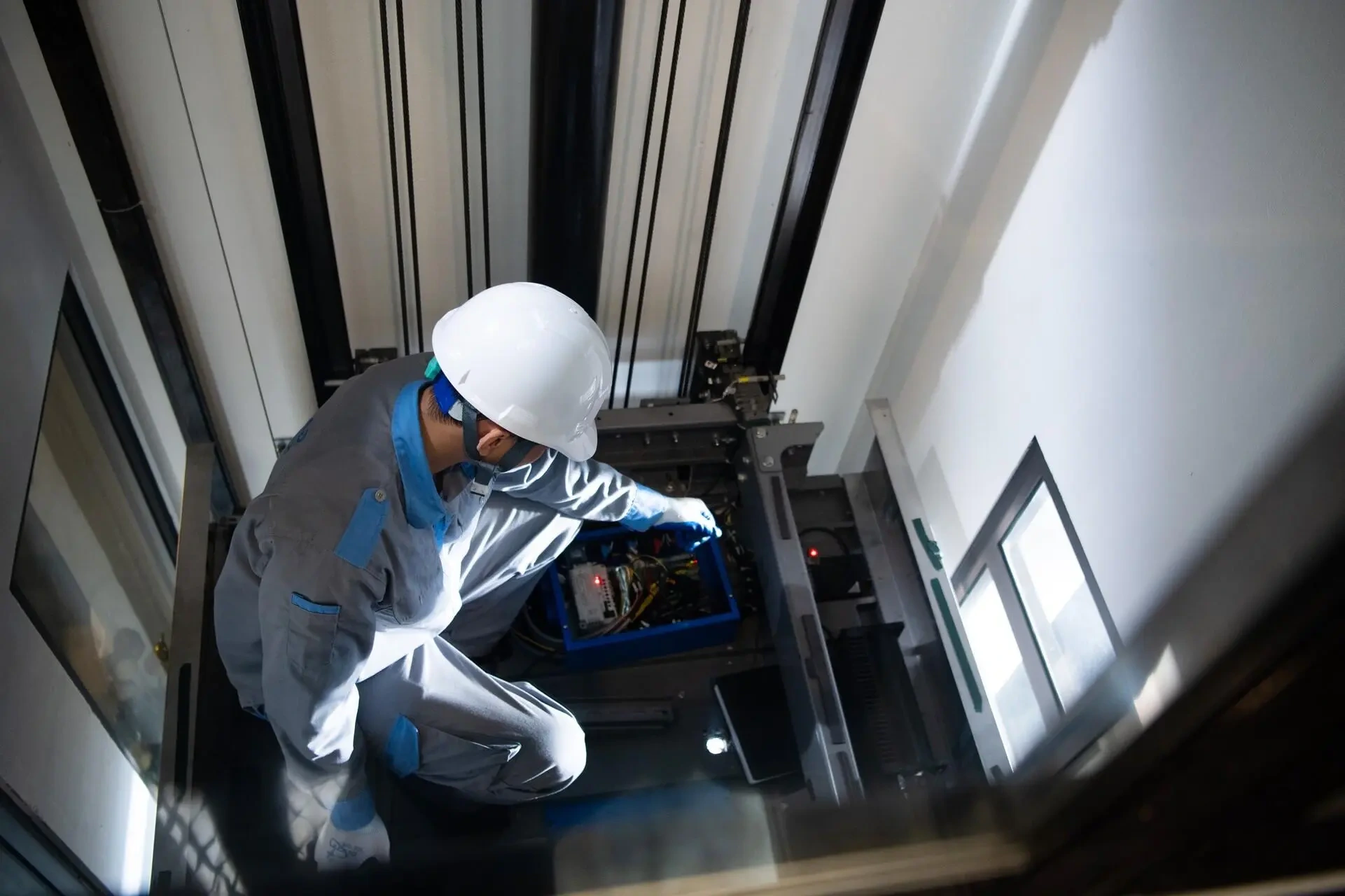
In modern urban buildings, passenger lifts have become an essential part of vertical transportation systems. With increasing usage frequency and stricter safety regulations, regular inspection and maintenance are critical to ensuring safe and stable operation. Through systematic passenger lift inspection, potential risks can be effectively reduced while improving overall system reliability.
This article provides a structured explanation of inspection requirements, technical standards, procedures, safety indicators, and maintenance recommendations.
1. Passenger lift inspection standards and regulatory requirements
 1.1 What is passenger lift inspection?
Passenger lift inspection refers to the systematic evaluation of a passenger elevator’s mechanical systems, electrical systems, safety devices, and operational performance to ensure compliance with safety regulations.
The main objectives include:
- Ensuring passenger safety during operation
- Improving system reliability
- Reducing unexpected breakdowns
- Meeting regulatory compliance requirements
According to international standards such as EN81 and ISO 8100, elevators must undergo periodic inspections and at least one full annual safety certification.
1.2 Major inspection standards
Passenger lift inspection is governed by multiple regulatory frameworks:
| Standard | Description |
| EN81 | European elevator safety standards |
| ASME A17.1 | U.S. elevator safety code |
| ISO 8100 | International unified elevator standard |
| National regulations | Local mandatory safety requirements |
These standards ensure that every passenger lift inspection follows strict safety protocols.
2. Inspection scope and technical requirements of passenger lift inspection
2.1 Mechanical system inspection
Mechanical components are the foundation of elevator safety. Key inspection items include:
- Traction machine performance
- Steel wire rope wear (typically must not exceed 10%)
- Guide rail lubrication and alignment
- Brake system response time (≤ 0.8 seconds recommended)
2.2 Electrical and control system inspection
Electrical systems are critical for safe operation:
- Control cabinet stability
- Voltage fluctuation within ±7%
- Safety circuit integrity
- Emergency stop signal response
2.3 Safety device inspection
All safety devices must function reliably:
- Overspeed governor
- Safety gear system
- Door locking system
- Alarm and intercom system
Each device is rigorously tested during passenger lift inspection to ensure full functionality.
3. Passenger lift inspection process and inspection cycle
3.1 Standard inspection procedure
A complete inspection typically includes:
- Initial operation test
- Mechanical system evaluation
- Electrical system testing
- Safety device verification
- Load testing
- Final inspection report issuance
3.2 Inspection frequency
Inspection intervals vary depending on building usage:
| Building Type | Inspection Frequency |
| Residential buildings | Every 6 months |
| Commercial buildings | Every 3–6 months |
| High-traffic public buildings | Every 3 months |
In addition, a full certified passenger lift inspection must be conducted annually.
4. Key safety performance indicators in passenger lift inspection
During inspection, several technical parameters must meet strict requirements:
- Car leveling accuracy: ±10 mm
- Door opening/closing time: ≤ 3 seconds
- Emergency braking distance: ≤ 1.2 meters
- Noise level: ≤ 55 dB
- Acceleration comfort range: ≤ 0.5 m/s²
These indicators are essential for evaluating elevator safety and ride quality.
5. Passenger lift inspection common issues and maintenance recommendations
5.1 Common issues found during inspection
Typical problems identified include:
- Door system malfunction or incomplete closing
- Excessive wire rope wear
- Brake system delay
- Control signal instability
- Incomplete maintenance records
These issues are frequently detected during passenger lift inspection and must be addressed promptly.
5.2 Maintenance and optimization recommendations
To improve long-term performance, the following practices are recommended:
- Implement monthly self-inspection routines
- Use smart monitoring systems for real-time diagnostics
- Replace worn components every 3–5 years
- Maintain clean and ventilated machine rooms
- Keep detailed maintenance logs
Proper maintenance can reduce elevator failure rates by approximately 40%–60%, significantly improving safety and reliability.
Conclusion: Inspection is the foundation of elevator safety
Passenger lift inspection is not only a regulatory requirement but also a critical process to ensure passenger safety and system reliability. Through structured inspection and maintenance, elevators can operate more safely and efficiently in residential, commercial, and industrial environments.
In practical applications, GOTS Elevator provides professional elevator solutions with advanced Passenger Elevator systems designed to meet strict passenger lift inspection standards. If you require elevator inspection support or customized solutions, please feel free to skontaktuj się z nami for professional technical service and project support.