



Modern bina sistemlerinde asansörler, dikey ulaşımın vazgeçilmez bileşenleridir. Ancak farklı ortamlar, birbirinden çok farklı mühendislik standartları gerektirir. Bu durum, özellikle tıbbi tesisler ile ticari veya konut binaları karşılaştırıldığında daha da belirgindir.
Şu oldukça açıktır ki, bir hastane yatağı asansörü ve tipik bir yolcu asansörü pek çok ortak noktaya sahip olmakla birlikte, tasarım, performans, güvenlik gereksinimleri ve kullanım alanları açısından birbirlerinden farklıdır.
Aşağıdaki makale, iki asansörün hastanelerdeki gerçek hayattaki uygulamaları temel alınarak yapılan profesyonel bir karşılaştırmayı sunmaktadır.
1. Hastane Yatağı Asansörünün Tanımı ve Kullanım Senaryoları
1.1 Hastane yatağı asansörü nedir?
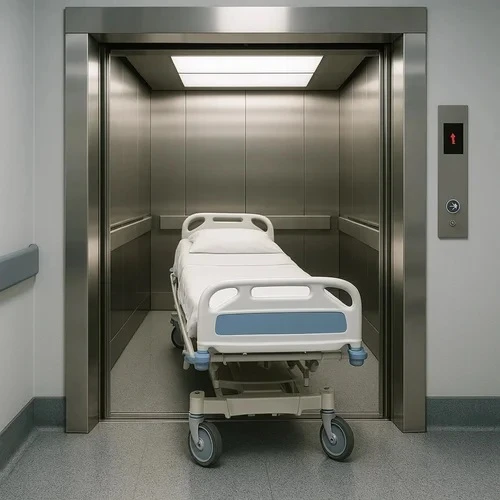
Bu, hastaneler için özel olarak tasarlanmış büyük kapasiteli bir asansördür. Yataklı hastaları, tıbbi ekipmanları ve sağlık personelini farklı katlar arasında taşımak için kullanılır.
Başlıca özellikleri şunlardır:
- Hastane yatakları ve sedyelerin sığabileceği ekstra geniş kabin boyutu
- Yüksek yük taşıma kapasitesi, genellikle 1600–3000 kg
- Düzgün hızlanma ve frenleme performansı, hastalar için daha konforlu bir deneyim sağlanmasına katkıda bulunur.
- Tıbbi sınıf güvenlik ve kontrol sistemleri
Hastanelerde asansörler genellikle acil servisler, yoğun bakım üniteleri, ameliyathaneler ve yataklı servisler gibi kritik alanları birbirine bağlar. Tıbbi iş akışlarında temel bir ulaşım kanalı işlevi görür.
1.2 Tipik uygulama ortamları
Hastane yatak kaldırma sistemi genellikle şu yerlere kurulur:
- Genel hastaneler
- Uzmanlık hastaneleri
- Cerrahi merkezleri
- Acil bakım merkezleri
- Rehabilitasyon ve bakım tesisleri
Bu tesisler, son derece yüksek düzeyde istikrar, kapasite ve güvenlik gerektirir.
2. Hastane Yatağı Asansörü ile Yolcu Asansörü Arasındaki Temel Farklar
2.1 Yapısal ve boyutsal farklılıklar
Bu iki sistemin mühendislik tasarımı birbirinden önemli ölçüde farklıdır:
| Parametre | Hastane yatağı asansörü | Yolcu Asansörü |
| Kabin boyutu | ≥1600 mm × 2400 mm | 1100 mm × 1400 mm |
| Taşıma kapasitesi | 1600–3000 kg | 450–1000 kg |
| Kapı genişliği | ≥1100 mm | 700–900 mm |
| Hız aralığı | 0,5–1,5 m/s | 1,0–2,5 m/s |
Yukarıda da görüldüğü gibi, hastane yatağı asansörü hızdan ziyade yer tasarrufu ve sağlamlığa öncelik verir.
2.2 İşlevsel ve operasyonel mantık farklılıkları
İşleyiş mantığı da önemli ölçüde farklılık gösterir:
- Hastane yatağı asansörü
- Acil nakliye için öncelikli sevkiyat
- Daha yüksek seviyeleme hassasiyeti (genellikle ≤ ±5 mm)
- Daha yumuşak bir sürüş için daha düşük ivme (≤ 0,5 m/s²)
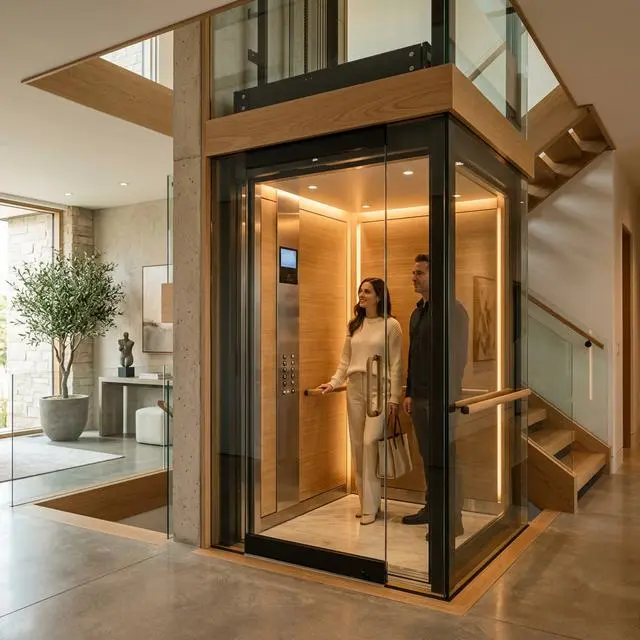
- Yolcu Asansörü
- Yolcu akışının verimliliği için optimize edilmiştir
- Standart tesviye hassasiyeti (≤ ±10 mm)
- Yüksek sıklıkta günlük kullanım için tasarlanmıştır
Bu nedenle, hastane yatağı asansörü genel bir ulaşım aracı olmaktan ziyade tıbbi bir taşıma sistemi olarak tasarlanmıştır.
3. Hastane Yatak Kaldırma Sistemlerinin Teknik Özellikleri
 3.1 EMC koruması ve tıbbi ortam uyumluluğu
Hastanelerde çok sayıda hassas tıbbi cihaz bulunması nedeniyle elektromanyetik uyumluluk son derece önemlidir.
Şu gibi gelişmiş sistemlerde: RD-Y2401 EMC Korumalı Medikal Asansör, Hassas ortamlarda istikrarlı çalışmayı sağlamak amacıyla EMC teknolojisi uygulanmaktadır.
EMC sistemi şunları içermektedir:
- EMI (Elektromanyetik Girişim) bastırma
- EMS (Elektromanyetik Duyarlılık) koruması
- Düşük elektromanyetik radyasyonlu tasarım
- Tıbbi ekipman yakınında kararlı çalışma
Bu sayede, hastane yatağı asansörü, ameliyathaneler ve yoğun bakım üniteleri gibi karmaşık hastane ortamlarında bile güvenilir bir şekilde çalışabilir.
3.2 Sorunsuz çalışma ve hasta güvenliği tasarımı
Tıbbi asansörler, hızdan ziyade güvenlik ve konfora öncelik verir.
Temel tasarım özellikleri şunlardır:
- Yavaş başlatma ve durdurma kontrol sistemleri
- Düşük ivme sınırları (≤ 0,5 m/s²)
- ≤ 55 dB sınırları içinde gürültü kontrolü
- Çalışma sırasında titreşimin azalması
Bu özellikler, hasta nakli sırasında ikincil rahatsızlıkların veya yaralanmaların önlenmesine yardımcı olur.
4. Hastane yatağı asansörünün çalıştırma ve bakım gereklilikleri
4.1 Hastane sevk mantığı
Bir hastane yatağı asansörü genellikle akıllı bir öncelik kontrol sistemi kullanır:
- Acil durumlara öncelikli müdahale
- Yoğun bakım ünitesi nakli için özel güzergâh belirleme
- Ameliyathane öncelikli sevk
- Çoklu asansör koordinasyon sistemi
Bu, kritik tıbbi durumlarda maksimum verimliliği garanti eder.
4.2 Bakım ve güvenlik standartları
Standart asansörlere kıyasla, hastane sistemlerinde daha sık denetim yapılması gerekmektedir:
- Günlük kontrol: günde bir kez
- Haftalık güvenlik sistemi kontrolü: haftada bir kez
- Tam bakım: her 3 ayda bir
Buna karşılık, Yolcu Asansörleri Genellikle 6 ayda bir veya yılda bir kez denetime tabi tutulurlar.
5. Hastane yatağı asansörü ile yolcu asansörünün karşılaştırması
5.1 Temel karşılaştırma özeti
| Yön | Hastane yatağı asansörü | Yolcu Asansörü |
| Amaç | Tıbbi nakil | Genel yolcu hareketi |
| Tasarım odağı | Güvenlik ve istikrar | Verimlilik ve akış |
| Öncelik düzeyi | Acil tıbbi öncelik | Standart trafik yönetimi |
| Konfor seviyesi | Yüksek kararlılık | Standart konfor |
| Güvenlik derecesi | Tıbbi sınıf | Ticari sınıf |
Açıkçası, bir hastane yatağı kaldırma sistemi çok daha yüksek güvenlik ve teknik gereklilikler gerektirir.
5.2 Uygulama odaklı mühendislik öncelikleri
Temel fark, gerçek ortamdaki belirli kullanım ihtiyaçlarına dayanmaktadır.
Hastane yatak asansörleri söz konusu olduğunda, hastaların güvenliği, nakli ve acil durumlarda müdahaleye hazır olma gibi hususlara özel önem verilmesi önemlidir. Kabinin boyutları, seviye hassasiyeti ve hareket hızı gibi parametrelerin optimizasyonu, yatak veya sedye üzerinde hareket ederken istikrar ve konfor sağlamayı amaçlamaktadır.
Buna karşın, yolcu asansörleri esas olarak bekleme süresini kısaltmaya ve taşıma kapasitesini artırmaya odaklanmaktadır.
Sonuç: Farklı Kullanım Senaryoları, Farklı Asansör Sistemlerini Belirler
Hastane yatağı asansörü ile yolcu asansörü görünüş olarak birbirine benzese de, işlevleri oldukça farklıdır. Hastane yatağı asansörü, hasta naklinin verimliliğini ve acil durumları etkileyen hastane altyapısının ayrılmaz bir parçasıyken, yolcu asansörü ise yolcuları taşımak için tasarlanmıştır.
Günümüz hastanelerinde, düzgün çalışan bir hastane yatağı asansörü vazgeçilmez bir unsurdur.
Pratik uygulamalarda, GOTS Asansör Hastane ortamlarının katı gereksinimlerini karşılamak üzere tasarlanmış profesyonel asansör sistemi çözümleri sunmaktadır. Özel çözümler veya teknik desteğe ihtiyacınız varsa, lütfen bize ulaşın profesyonel hizmetler ve proje desteği almak için.