



In contemporary buildings, elevators serve as an important mode of transportation. Yet, there is always a chance that something could go wrong with the operation of the elevator, like a power outage or any other failure. When people get trapped in the lift cabin, being able to operate an elevator emergency button properly may prove to be vital.
This article explains the correct usage procedure, system logic, safety behavior, and technical background of elevator emergency systems in a structured and professional way
1. Elevator Emergency Button in Elevator Safety Systems
 1.1 Definition and core function
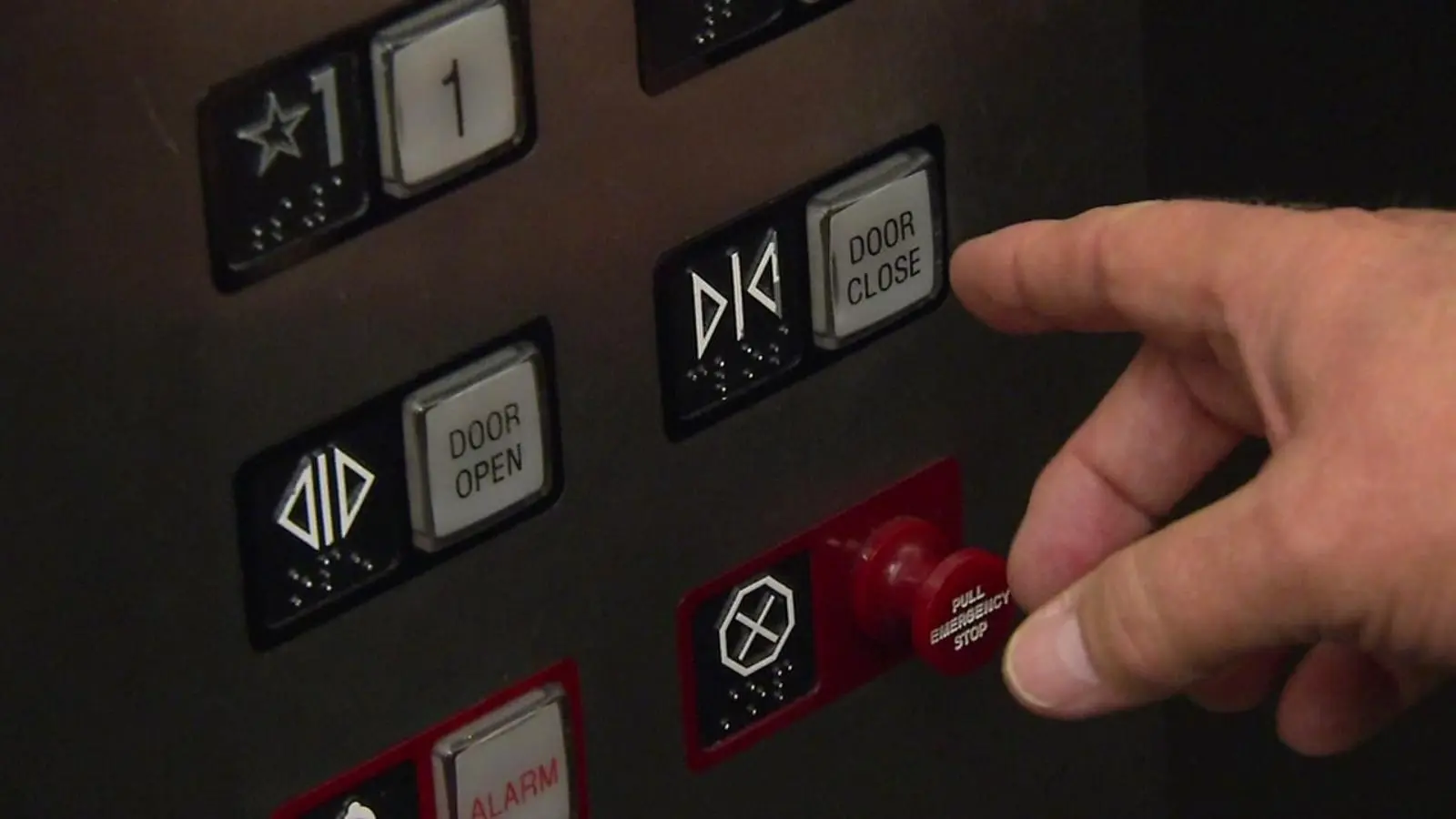
The emergency button for an elevator is one of the vital safety devices that are placed within the elevator car or in the landing operation panel (LOP). Its purpose is to instantly generate an alarm signal in case of emergencies.
Its main functions include:
- Triggering emergency alarm signals
- Connecting passengers to the monitoring center
- Activating intercom communication systems
- Supporting rescue teams in locating trapped passengers
According to international elevator safety standards such as EN81, emergency communication systems must respond within approximately 30 seconds after activation to ensure rapid assistance.
1.2 System structure and components
The elevator emergency system is not a single device but a connected safety network:
| Component | Function |
| elevator emergency button | Activates emergency signal |
| intercom system | Enables voice communication |
| alarm buzzer | Provides audio alert |
| monitoring center | Receives and processes alarms |
Among these, the emergency button serves as the primary trigger that initiates the entire rescue process.
2. How to Properly Use an Elevator Emergency Button
2.1 Stay calm and assess the situation
When an elevator suddenly stops, passengers should first evaluate the environment:
- Confirm whether the cabin is completely stopped
- Check lighting and ventilation conditions
- Determine if anyone is injured
It is important not to force the doors open, as elevator shafts pose serious safety risks.
2.2 Correct activation procedure
To properly use the system, follow these steps:
- Locate the button marked “Alarm” or “Emergency”
- Press and hold the elevator emergency button for 3–5 seconds
- Wait for confirmation such as sound or indicator light
- Communicate clearly through the intercom system
In modern elevator systems, emergency signals are typically transmitted to control centers within 10–20 seconds, ensuring fast response.
2.3 Behavior during waiting time
After activation:
- Maintain communication with the monitoring center
- Avoid repeatedly pressing the emergency button
- Stay in a stable position inside the cabin
- Follow rescue instructions carefully
Depending on building height and emergency conditions, rescue time usually ranges from 15 to 45 minutes.
3. Common Mistakes When Using Elevator Emergency Button
3.1 Improper user behavior
Incorrect usage can delay rescue or increase risk. Common mistakes include:
- Repeatedly pressing the elevator emergency button
- Attempting to open elevator doors manually
- Ignoring communication instructions
- Panicking and making sudden movements
These behaviors may interfere with system signals or create safety hazards.
3.2 Safety impact overview
Industry data shows that:
- Around 70% of elevator entrapment risks are worsened by user errors
- Nearly 30% of delayed rescues are linked to communication failures
- Proper use of the system can improve rescue efficiency by over 40%
This highlights the importance of correctly understanding the role of the elevator emergency button.
4. Technology Development of Elevator Emergency Button
Modern elevator systems are evolving rapidly toward smart safety solutions. New technologies include:
- 4G/5G remote emergency transmission
- AI-based fault detection systems
- Cloud-based monitoring platforms
- Automatic floor identification systems
This results in the transformation of the emergency push button into an intelligent communications point in the smart building environment.
In many contemporary systems, the emergency system is incorporated in the Landing Operating Panel, enhancing the speed of response and decreasing errors.
5. Safety Guidelines for Passengers
5.1 Essential rules during elevator failure
When an elevator stops unexpectedly, passenger behavior directly influences safety outcomes. The most important principle is to remain calm and avoid unsafe actions.
Key rules include:
- Stay calm and avoid panic movements
- Immediately use the elevator emergency button instead of attempting self-rescue
- Never force open elevator doors
- Follow instructions provided through the intercom system
- Keep access to communication devices clear inside the cabin
Modern elevators are designed with ventilation systems that can typically support passengers for 2–3 hours, ensuring sufficient time for rescue teams to arrive.
5.2 Communication and behavior during rescue
Once the elevator emergency button is activated, communication becomes the most important factor for efficient rescue.
Passengers should:
- Clearly report the number of people inside the cabin
- Describe any abnormal conditions such as noise, vibration, or lighting issues
- Avoid repeatedly pressing the elevator emergency button, which may interfere with signal processing
- Respond calmly and accurately to instructions from the monitoring center
In most urban buildings, rescue teams usually arrive within 15–45 minutes, depending on building height, system design, and emergency accessibility.
Conclusion: Safety Depends on Proper System Use
The importance of an elevator emergency button cannot be overstated in relation to the safety systems of elevators, being the main contact that exists between the people trapped inside the elevator and the rescue crews.
From residential buildings to commercial complexes, reliable emergency systems ensure passenger safety at all times.
When it comes to implementation, GOTS Elevator specializes in elevators that provide an innovative approach toward improving safety by incorporating intelligence within landing operating panels in conjunction with the performance of elevator emergency buttons. For any specialized control system related to elevators, Winda GOTS will provide professional services to cater to your needs.