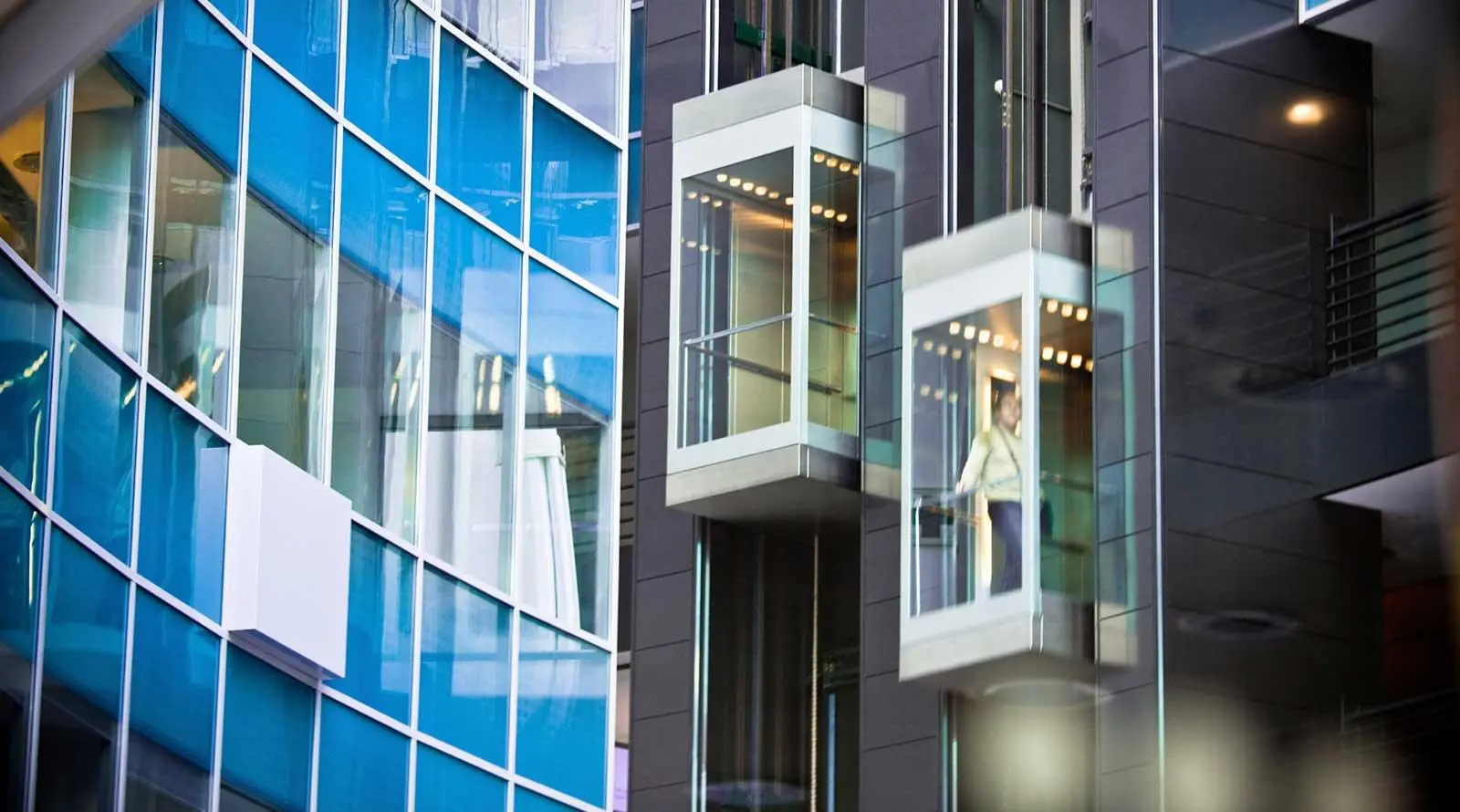
With further advancements in urban building architecture regarding beauty and intelligence, elevators are not viewed as mere means of transport anymore; they have become an integral part of the building itself. In 2026, the modern glass elevator becomes more popular in residential, commercial, and luxury villa buildings. This tendency is supported not only by design preferences but also by innovations in the field of elevator control systems, energy-saving technologies, and space optimization.
1. Modern Glass Elevator in Modern Architectural Applications
1.1 Growing Demand for Visual Integration in Buildings
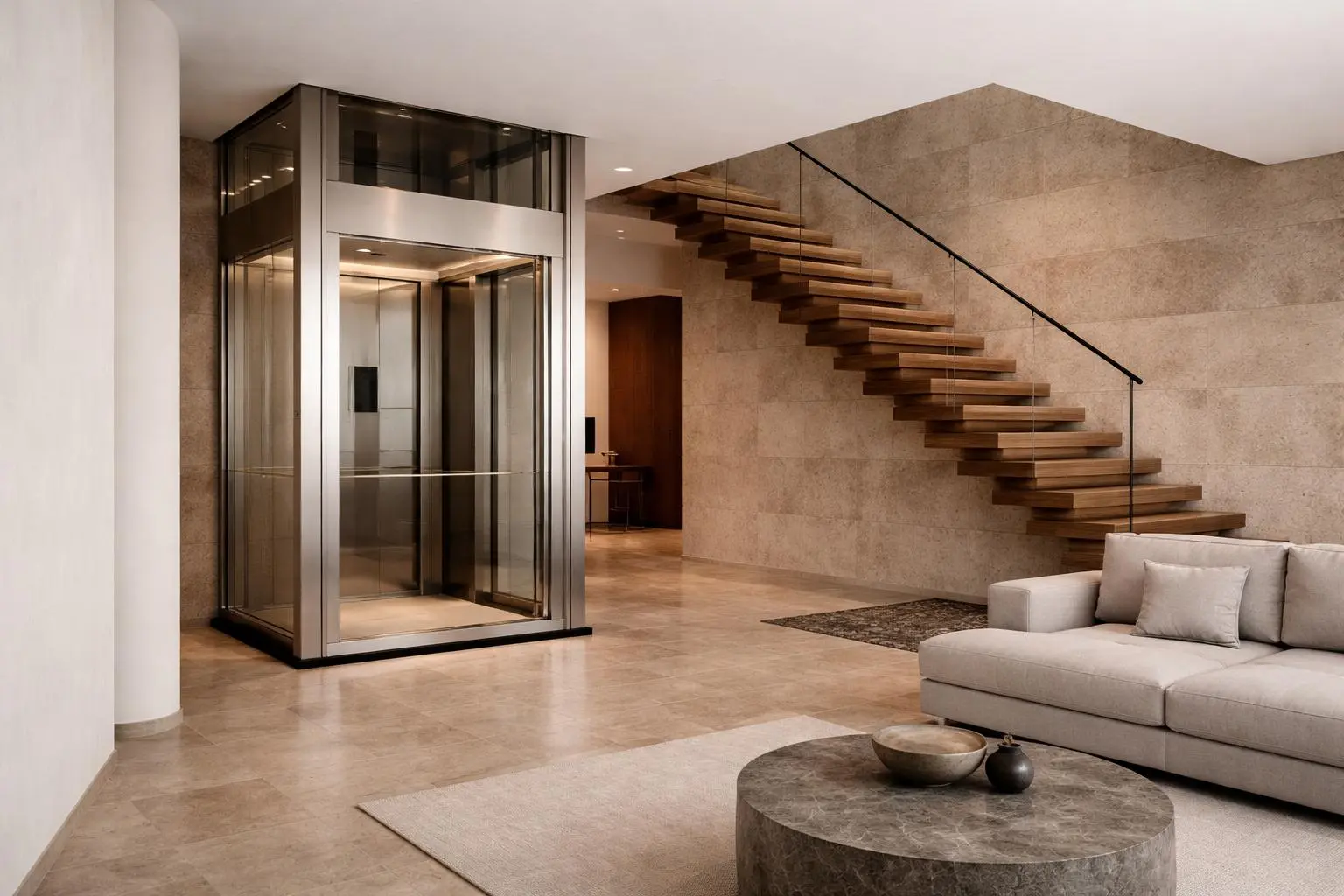
In today’s architecture, openness and transparency have become essential design concepts. The modern glass elevator fits perfectly within the framework of the architectural composition due to its fully glass construction.
Thus, in expensive villas and luxurious homes, the small-scale sightseeing elevators usually have their cabins built out of glass, and this allows the operation of the elevator to be an organic part of the architectural scenery.
1.2 Expanding Application Scenarios
Today, the modern glass elevator is widely used in:
- Luxury residential villas
- Commercial complexes
- Hotel lobbies
- Exhibition and display centers
Among these, residential projects account for approximately 35%–45%, while commercial applications represent around 40%–50%, showing strong and continuous market growth.
2. Modern Glass Elevator Structural, Technical Features and Selection Factors
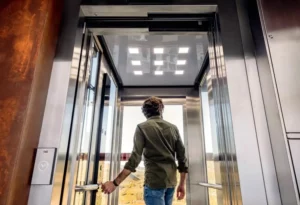 2.1 Core Technology Systems
Modern glass elevators are typically equipped with advanced systems such as:
- VVVF variable voltage variable frequency control system (ensures smooth operation)
- AC/DC drive systems
- Low-noise operation structure (below 55 dB in most cases)
- High-strength tempered glass shaft system
These advancements deliver reliable operation, enhanced ride comfort, and greater efficiency across residential and commercial environments.
2.2 Key Performance and Selection Factors
When selecting a modern glass elevator system, several important technical and engineering factors must be considered to ensure suitability for different building types:
- Load capacity: typically ranges from 450kg to 1600kg depending on application scenarios
- Operating speed: usually between 1.0–1.75 m/s for residential and commercial use
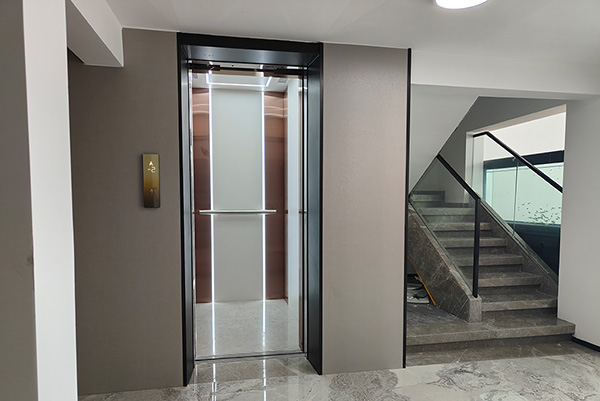
- Shaft space requirements: compact designs are preferred for villa and retrofit projects
- Control system stability: ensures safe and synchronized operation under frequent use
- Noise control performance: especially important for residential environments requiring quiet operation
For example, residential villa projects usually prioritize aesthetic integration and silent operation, while commercial buildings focus more on efficiency, durability, and high-frequency performance under continuous usage conditions.
3. Why Are Modern Glass Elevators Safer and More Reliable?
3.1 High-Level Safety Systems
Modern glass elevators integrate multiple safety mechanisms:
- Overload protection system
- Emergency braking system
- Intelligent door locking system
- Anti-fall safety device
Data shows that elevator systems certified under CE and 3C standards have an accident rate lower than 0.01%, significantly safer than outdated elevator systems.
3.2 Structural Stability Optimization
Although glass structures appear lightweight, they are engineered with:
- Multi-layer laminated tempered glass (3–5 times impact resistance improvement)
- Reinforced steel frame structures
- Vibration-resistant guide rail systems
This ensures that the modern glass elevator performs reliably under wind pressure and structural stress, making it suitable for mid- and high-rise buildings.
4. Energy Efficiency and Smart Technology Development
4.1 Improved Energy Performance
Compared to traditional elevator systems, modern glass elevator solutions offer better energy efficiency due to optimized drive systems and lightweight structural design.
Key improvements include:
- 15%–30% reduction in overall energy consumption
- Up to 40% energy savings in standby mode
- 20%–25% energy recovery through regenerative braking systems
In addition, VVVF control technology allows the system to adjust motor output based on load conditions, reducing unnecessary power usage during partial or light-load operation. This makes the modern glass elevator more suitable for both residential and commercial buildings with varying traffic demand.
4.2 Smart Control Integration
Modern glass elevator systems are increasingly integrated with intelligent building technologies.
Common smart functions include:
- Remote monitoring and system status tracking
- Intelligent dispatching for multi-elevator coordination
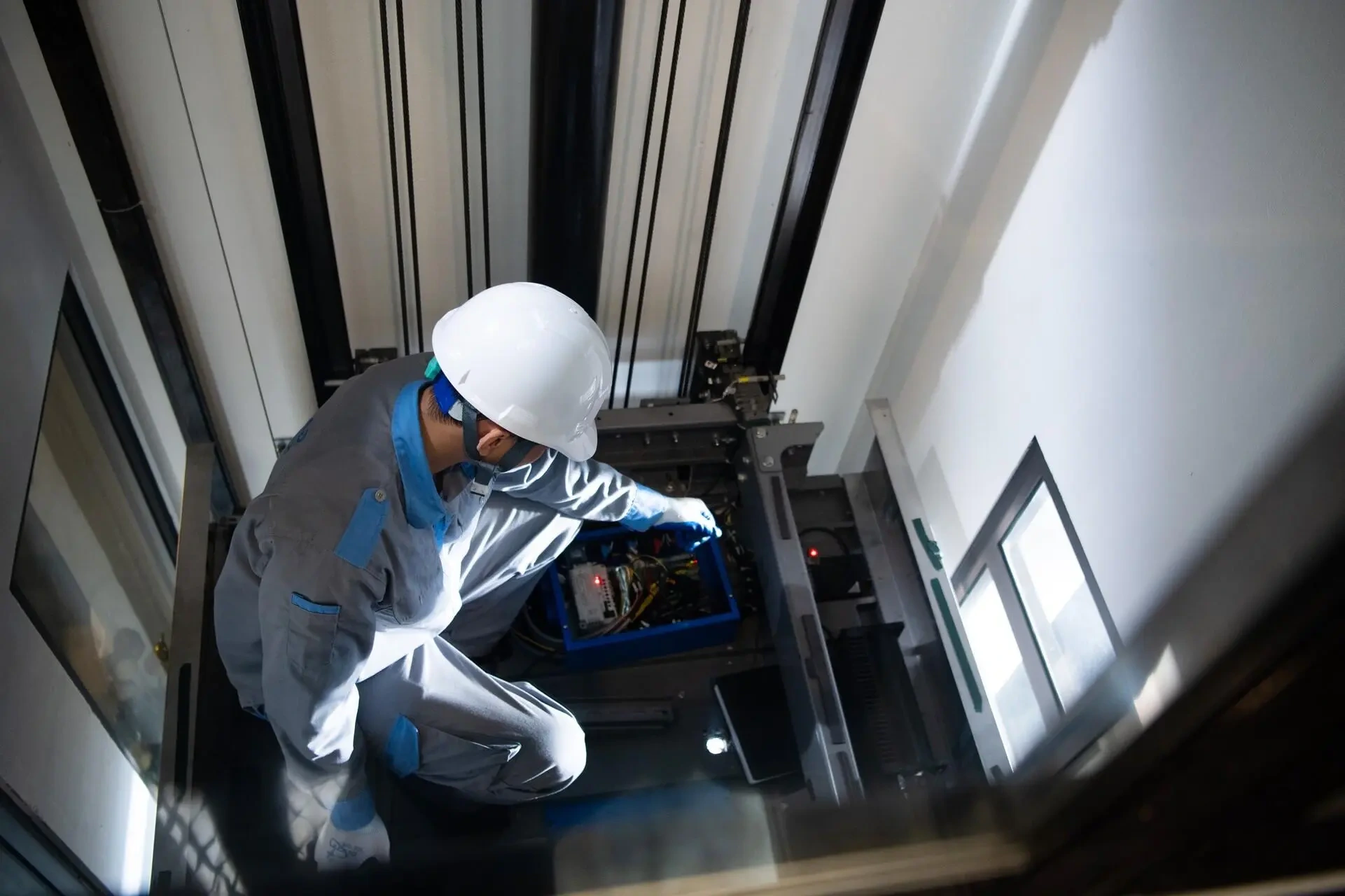
These features help reduce maintenance costs by around 20%–25% while improving overall operational stability. In smart buildings, elevators can also be connected to centralized management systems, allowing better coordination with energy and security infrastructure.
5. Market Drivers Behind Modern Glass Elevator Growth
5.1 Rising Demand for Architectural Aesthetics
The growing demand for high-end residential and commercial spaces has made visual design an important factor in elevator selection. A modern glass elevator enhances building aesthetics by creating transparency and visual openness.
In premium real estate projects, this type of elevator can increase perceived property value by approximately 10%–18%, especially in villas, hotels, and luxury commercial spaces. It enhances the spatial experience by integrating vertical circulation into the architectural concept instead of treating it as a concealed utility function.
5.2 Urbanization and Smart Building Trends
Urbanization and the emergence of smart cities are another driving force that contributes to the growth of the market. With buildings becoming taller and smaller, it becomes necessary for them to have efficient vertical transportation solutions.
In addition, green building initiatives make it necessary to utilize energy-saving mechanisms. Glass elevators help facilitate this trend by virtue of being less energy-consuming, being made up of recyclable materials, and also being compatible with building management systems.
Wnioski
The year 2026 will see the current generation of glass elevators playing an important role in architectural designs. The translucent nature of the elevators, along with their sophisticated control systems and better energy efficiency, is making them a popular choice in architecture.
At the same time, the development of the passenger elevator industry continues to raise expectations for safety, comfort, and design integration.
From luxury villas to commercial buildings, demand for advanced vertical transportation continues to grow. GOTS Elevator Co., Ltd. provides modern glass elevator and passenger elevator solutions for global projects—feel free to kontakt them for cooperation and further information.